


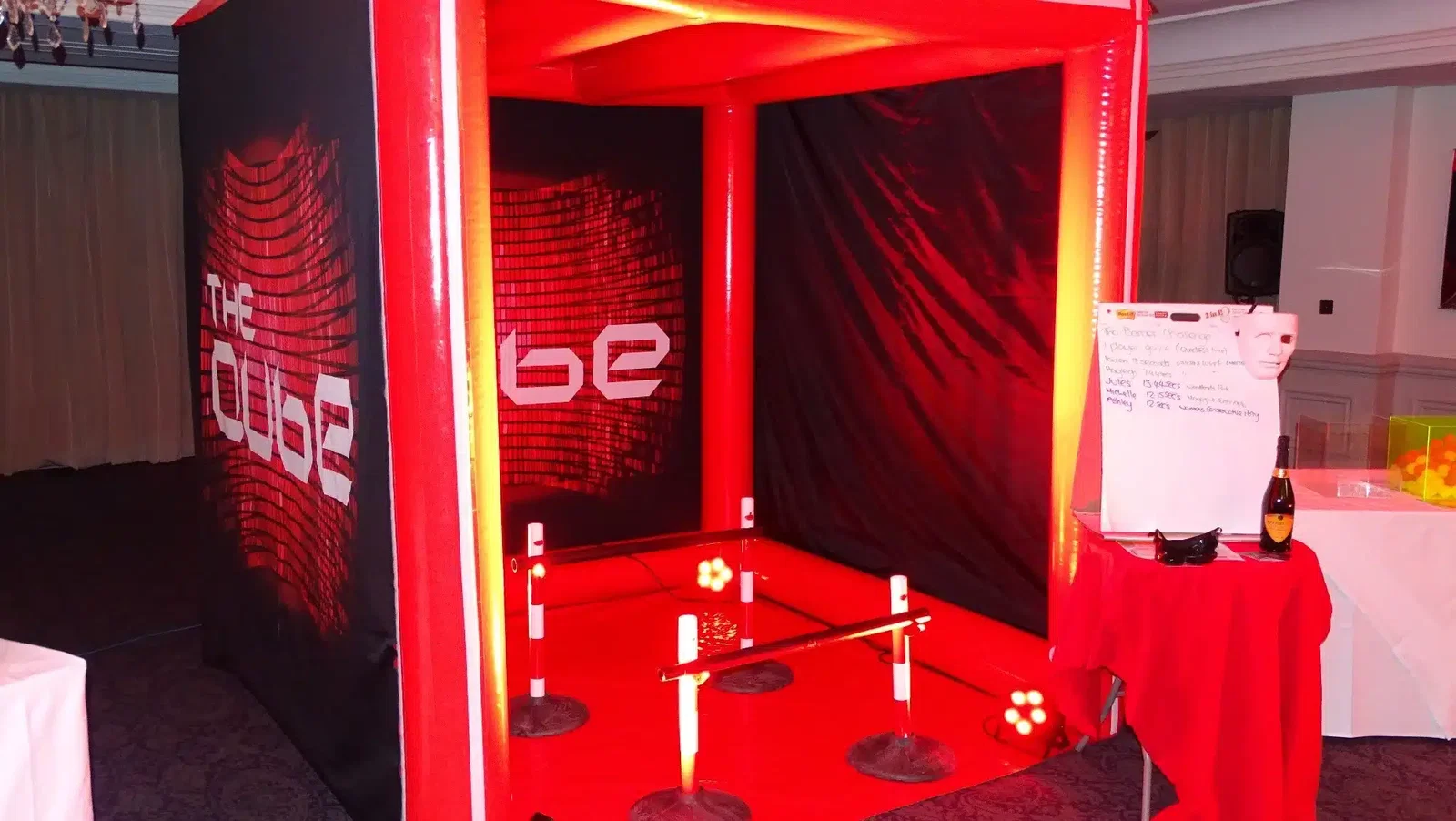
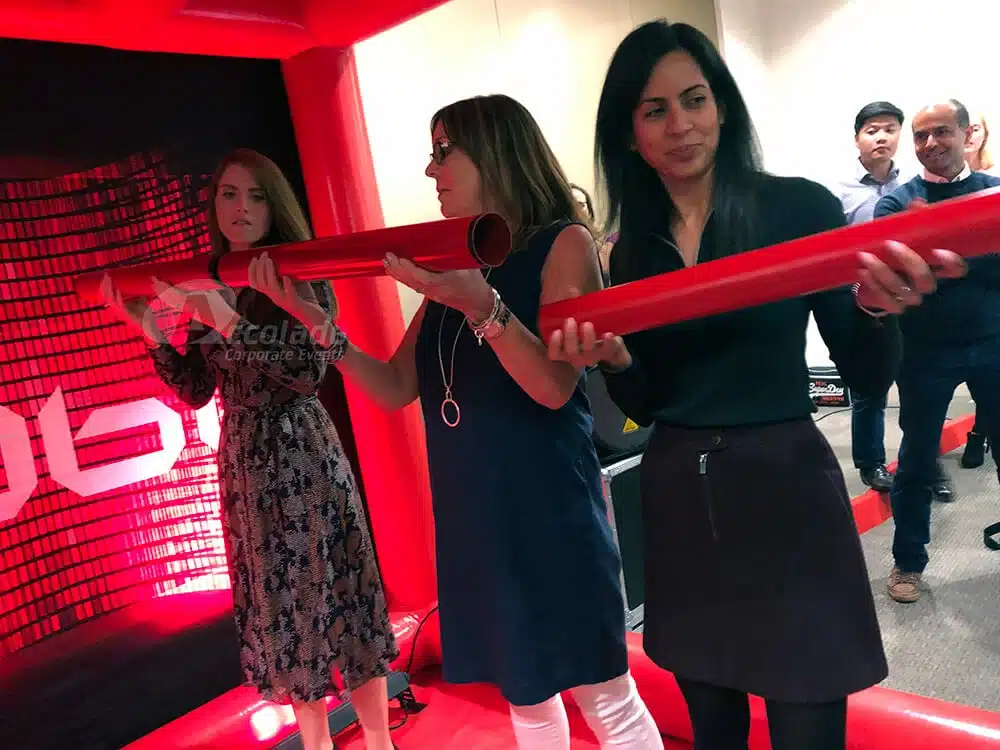
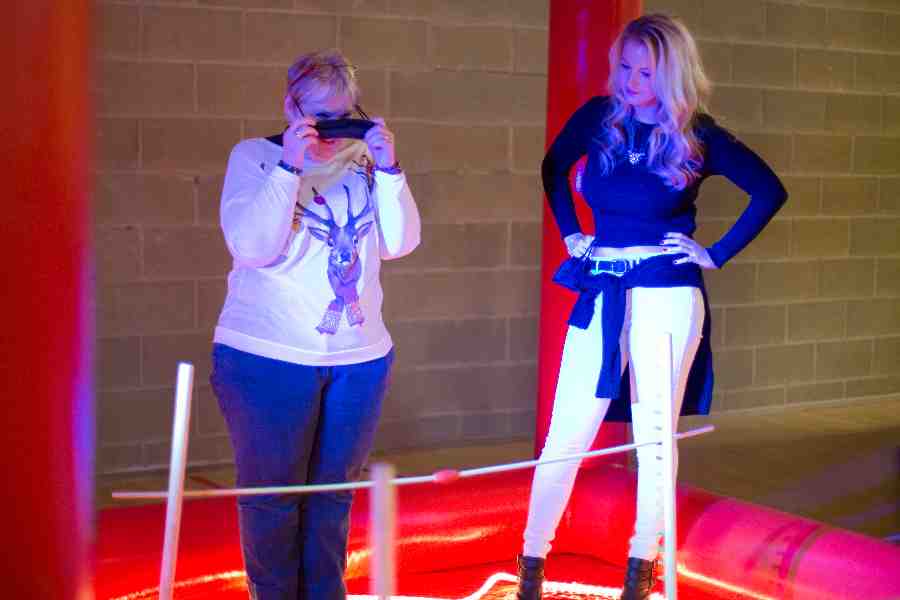
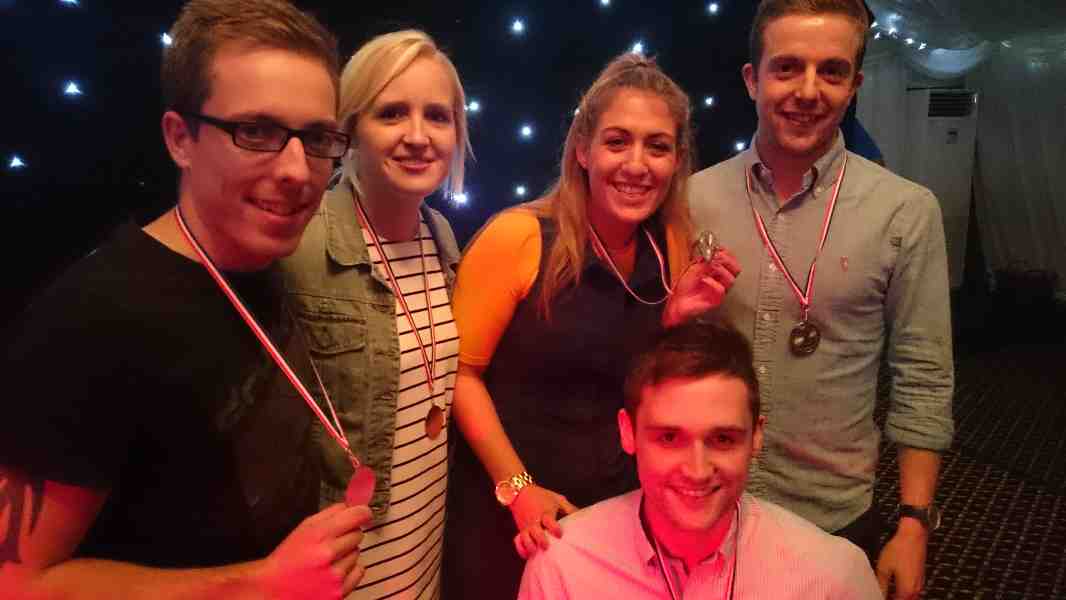
Under Pressure takes its cue from the kind of TV challenge where a simple task becomes strangely gripping the moment a clock, a watching crowd and a bit of pride get involved. The room is set for a run of compact challenges that test focus, control and communication rather than strength or specialist knowledge. Your team is not sitting through a talk about teamwork. They are making choices, taking turns, backing each other and trying to keep cool when a small mistake sends everyone into fits of laughter.
The session works best when people stop overthinking and start taking part. A challenge is introduced, the aim is made clear, and the group quickly works out who is going to have a go, who is going to advise and who is going to keep the nerves in check. The tasks are deliberately easy to understand, so no one needs a long briefing or a secret talent. The pressure comes from the moment itself. Hands get steadier or shakier. Voices get quieter, then louder. The team learns fast.
As the event builds, the atmosphere shifts. Early rounds are all grins and bravado. Then people begin to notice patterns. The most competitive person might not be the best at the fiddly task. The quiet colleague might have the calmest eye in the room. The sceptic who claimed they were only watching suddenly has a theory about the best technique and is leaning in with everyone else. That is the charm of this format. It gives different people different ways to be useful.
Under Pressure suits teams that want a shared experience with pace, but not chaos. It can sit neatly inside a corporate team building day, add a lively section to a company away day, or give an evening party a clear focus before the social side takes over. It also works well for a charity fundraiser, where the audience can get behind the players and enjoy the near misses as much as the wins. The format gives people plenty to talk about afterwards, because every round creates a little story.
There is no need for your team to arrive with training, fitness, stage confidence or a carefully rehearsed game face. The tasks are about being present, listening, trying something, learning from the last attempt and having another go. Some people love stepping into the spotlight. Others prefer to advise, encourage or analyse from the side before taking their turn. Good. That mix is exactly what makes the room work. Everyone has a role without being forced into a performance they hate.
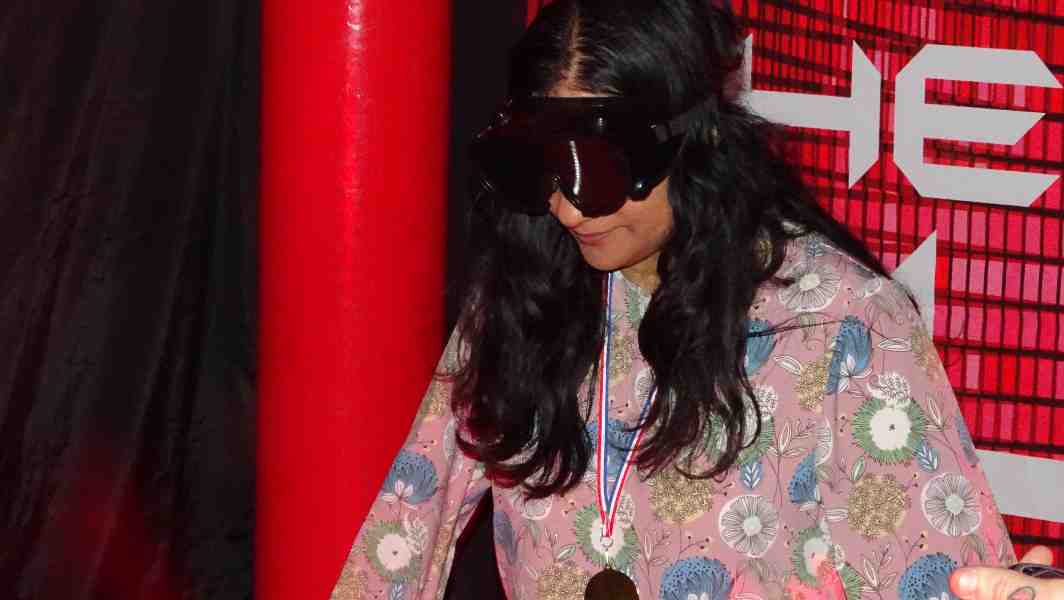
The best moments are usually the smallest ones. A colleague holds their breath over a simple movement. Someone gives calm advice at exactly the right second. A team changes strategy because the first plan was clearly nonsense. A near miss gets replayed in vivid detail by three people at once. It is active, social and properly human. Nobody needs to pretend they have been transformed by a plastic prop and a stopwatch. They just get to see each other under a different kind of pressure.
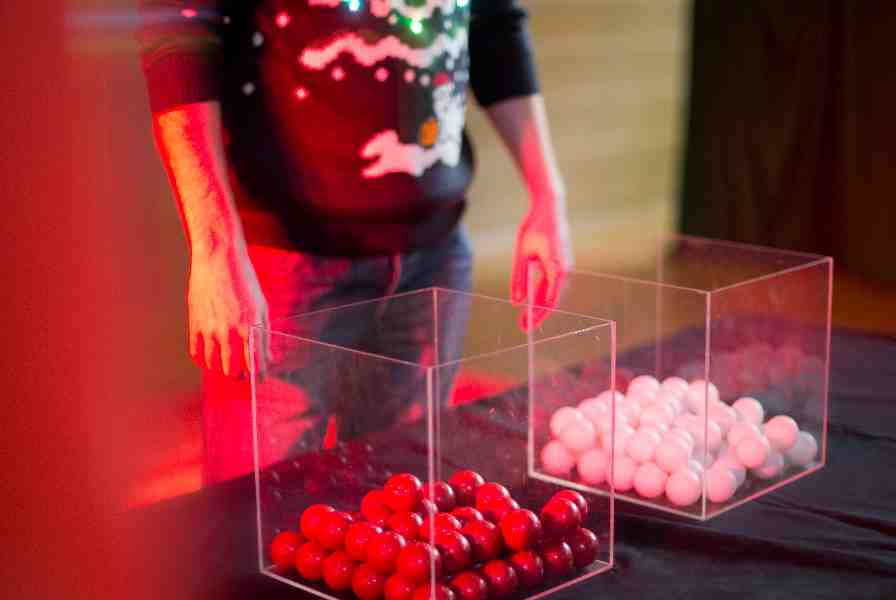
We look after the activity on the day. We bring the event kit, explain how it works and keep the challenges moving, so the energy does not sag between rounds. Your team can turn up, split into the format for the session and get involved. If the event is part of a wider day, evening party or fundraiser, we can shape the run of play around the flow you are planning. Simple, tidy and easy for the organiser. Slightly less easy for the person trying to keep a steady hand while everyone watches.