


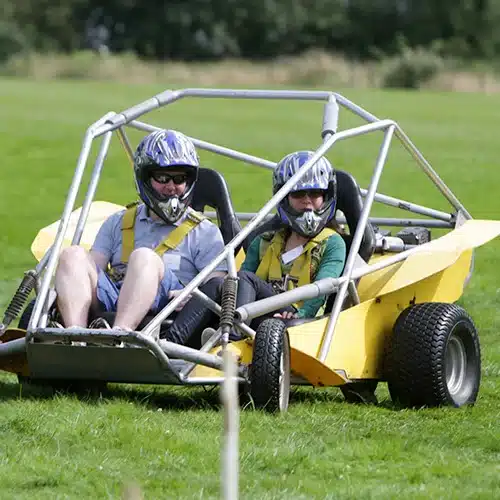
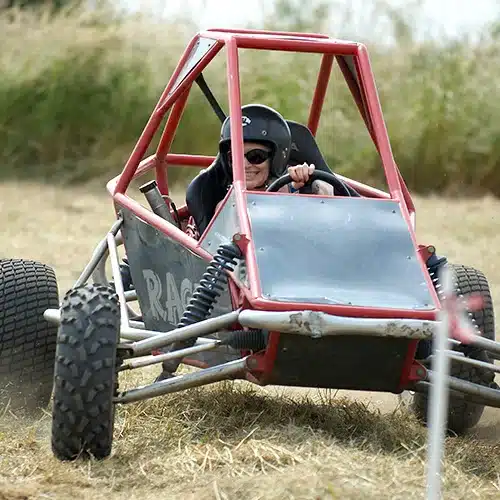
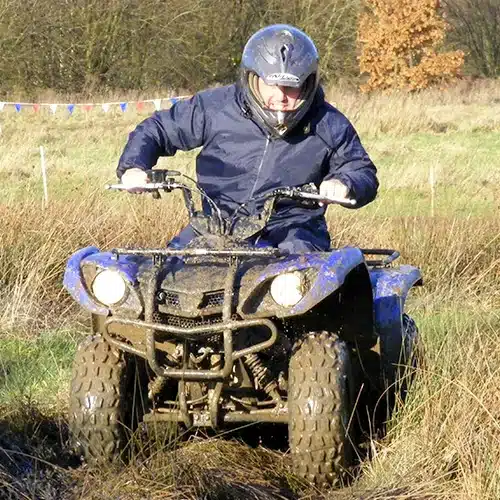
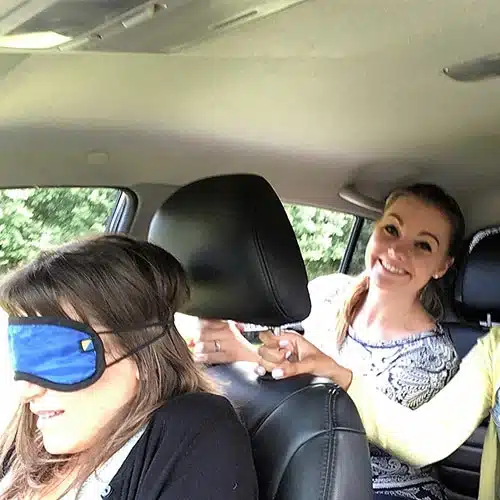
Motorised Activities are for teams who want a bit of engine noise with their team building. The appeal is simple. Your team gets a practical challenge, a clear objective and the chance to test nerve, timing and judgement under pressure. It is competitive, yes, but not in a way that leaves half the group looking at their shoes. There is always something to watch, discuss, improve or cheer on.
The session begins with people moving from office mode into activity mode. Teams are gathered, the format is explained and everyone gets the information they need before the action starts. From there, the focus shifts to the kit, the challenge and the first run. People listen more closely when there is a motor involved. Funny, that.
Once the activity is under way, the atmosphere changes quickly. Colleagues start calling out advice, spotting tiny gains and comparing approaches between attempts. The quickest person is not always the most useful one in the group. Some people are better at reading the task, some at keeping everyone calm, and some at noticing the small adjustment that saves time on the next go.
That mix is what makes motorised team building work for a corporate group. The confident ones get their moment, but they still need to listen. The quieter ones can contribute without having to take centre stage. The sceptics usually soften once they see there is more to it than simply going fast. It asks for focus, communication and a bit of nerve, all wrapped in an activity that feels very different from a meeting room exercise.
Motorised Activities are a strong fit when you want to motivate a team, thank people properly or reset the mood after a busy period. They also work well when your event needs a clear talking point. A charity fundraiser gains a lively competitive edge. An evening party gets people mixing before the social part takes over. A company away day gets a shared challenge that people can refer back to without needing a flipchart in sight.
The activity has a natural arc, which helps the day feel purposeful rather than random. There is the build-up, when people size up the challenge and decide how brave they are feeling. Then comes the first attempt, with all the noise, nerves and laughter that brings. After that, teams start thinking properly. They compare notes, change tactics and go again with a little more belief.
We look after the moving parts on the day. That means bringing the activity together, setting up what is needed and keeping the session running so people know where to be and what happens next. Your team does not need to arrive with experience or a long briefing pack. They just need to turn up ready to take part, listen to the safety instructions and give it a proper go.
The best bit is the shared momentum. Motorised Activities create quick conversations between people who may not normally work together, because the task gives them something immediate to solve. There is no need to force the bonding bit. It happens in the waiting, watching, timing, teasing and second attempts. By the end, your team has done something with a bit of bite, and they have done it together.