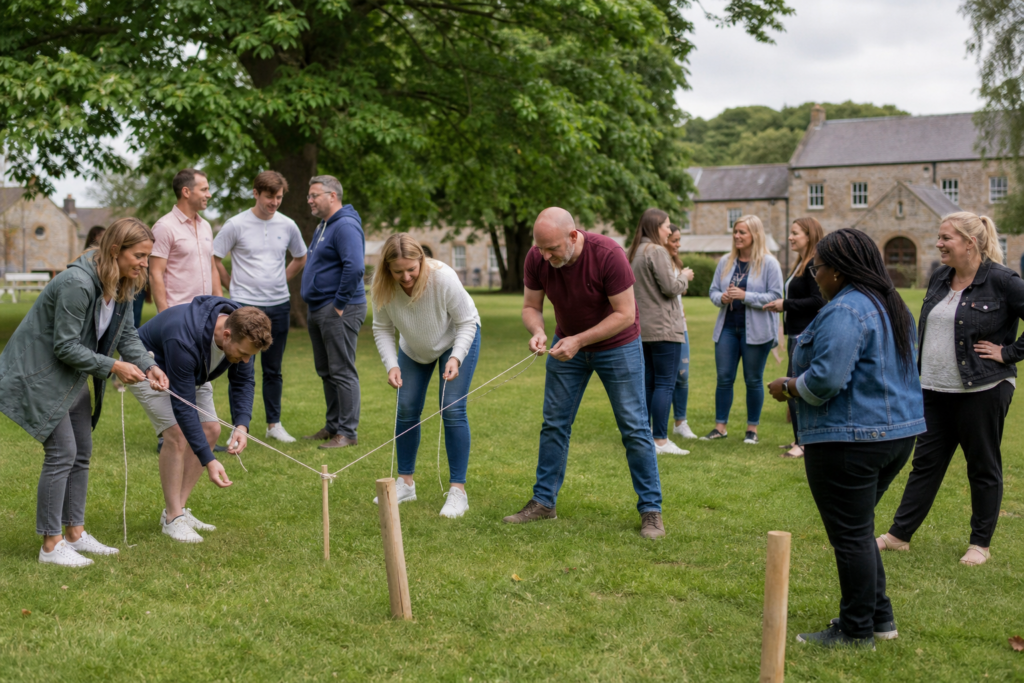
The best team building days out give people time to talk properly, enjoy themselves and leave feeling closer than when they arrived. Start with what your team needs, then choose the activity, location and schedule around that outcome. This guide will help you plan the details without turning the day into another project for you to manage.
Start with the outcome you want
Before you compare venues, write down the reason for the day in one sentence. You might want new starters to get to know colleagues, give a tired team a proper thank-you, or help people work together after a difficult quarter. That sentence will stop an impressive-looking activity from taking over the plan.
Next, consider how your team actually works. A competitive challenge may suit a confident sales group, while a quieter team could prefer a creative workshop, food-based activity or problem-solving session. If people rarely meet in person, leave space for informal conversation as well as the structured part of the day.
Choose an activity that fits your people
Make a short list before you book anything. Check each option against your team size, fitness levels, interests, budget, weather exposure and comfort with risk. You should also ask whether the activity supports the outcome you wrote down, rather than assuming any shared day will do the job.
- For small teams, choose activities where everyone gets enough time to take part, such as a cooking session, creative workshop or guided challenge.
- For large groups, look for a format with clear team rotations, enough equipment and space for people to hear instructions.
- For mixed fitness levels, choose tasks with different roles and ways to contribute. Avoid making speed or physical strength the only route to success.
- For a lower-pressure day, consider a food, cultural, charity or creative activity with breaks built into the format.
- For an outdoor booking, ask what happens if the weather changes and whether the indoor alternative is genuinely suitable.
Avoid activities that rely on embarrassment, forced participation or a single level of fitness. People can enjoy a challenge without wanting to perform in front of colleagues. Give attendees a clear description of the activity before they agree to attend, including clothing, physical demands and whether alcohol forms part of the day.
Find a location that makes the day easier
The right location is convenient enough that travel does not eat up the day. A city-centre venue may work well for teams travelling by rail, while a countryside setting can give people more room for outdoor challenges. If staff are travelling from different offices, compare journey times rather than choosing somewhere that only suits the head office.
- Check the venue capacity and room layout for your actual group size.
- Confirm toilets, catering, parking, public transport and coach access.
- Ask about shelter, heating, mobile signal and Wi-Fi where those details affect the plan.
- Find out where first aid is available and who handles an emergency.
- Confirm the wet-weather plan in writing, including any change to timings or activities.
- Ask how accessible the entrance, routes, seating, toilets and activity areas are.
Do not rely on a venue’s general accessibility statement. Ask about the full route through the day, including transport, entrances, surfaces, seating, catering and emergency arrangements. Speak to attendees privately about access requirements, dietary needs, medical considerations and activity preferences, then agree reasonable adjustments before you send the final itinerary.
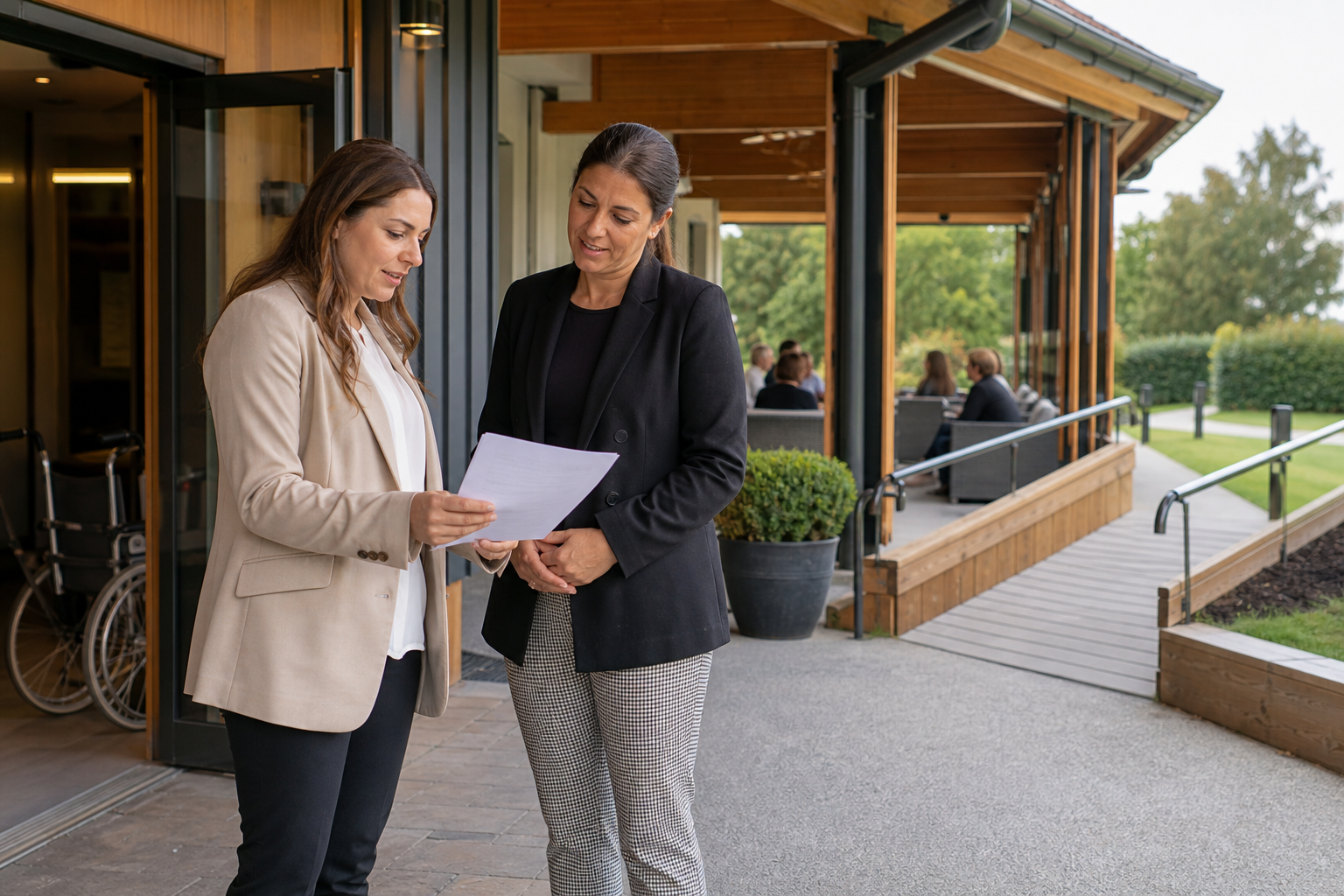
Finding a suitable venue means chasing dates, checking facilities and comparing several suppliers at once. NewWave offers venue finding as a free service, with long-standing relationships across the UK that can often secure better dates and rates than booking direct. We manage the venue, suppliers and entertainment end to end, so you can enjoy the run-up instead of project-managing it.
Plan transport before you publish the invite
Transport affects how people feel before the activity even begins. Set one clear meeting point, give a realistic departure time and check the journey at the time of day you will travel. Allow time for parking, toilet stops, rail delays and people who need a little longer to board or move between locations.
For a coach, confirm vehicle access, drop-off points, parking and the driver’s contact details. For rail travel, check the nearest station and plan a taxi option if the final leg is awkward. Tell people what happens if they arrive late, and give them a contact number that will be answered on the day.
Build a timetable people can actually enjoy
A packed agenda leaves no room for delays or conversation. Build the day around the activity, then add arrival and registration time, a safety briefing, food, breaks, changeovers and a realistic buffer. Keep informal time in the schedule rather than hoping it appears by itself.
- Half-day example: arrival and coffee, briefing, a two-hour activity, lunch and a short close.
- Full-day example: arrival, morning activity, lunch, an afternoon challenge, a break and a simple review.
- If the venue has several areas, allow time to walk between them.
- Keep the final session short if people have a long journey home.
- Share start and finish times clearly, including the expected return time for organised transport.
Plan for the day you have, not the perfect day on paper. A five-minute delay at the start can affect every later session, especially when food, transport and suppliers all depend on the same timetable. A little spare time gives you room to deal with reality without making the team feel rushed.
Communicate the practical details
Send the itinerary early, then repeat the key details shortly before the day. Include the meeting point, timings, travel information, dress code, footwear, food arrangements and fitness expectations. Explain whether attendance falls within working hours and make the arrangements clear for anyone travelling from another office.
Also give people a private way to raise access, dietary or health concerns. Keep a list of emergency contacts and supplier numbers with the organiser, not only in an email inbox. On the day, brief the activity leader on agreed adjustments and check that the plan still works when everyone arrives.
Review the day while it is still fresh
A short follow-up helps you judge whether the day met its purpose. Ask what people enjoyed, what felt uncomfortable and whether the format suited the group. If the day was meant to improve communication or help a new team settle in, agree one or two practical actions that carry into normal work.
You do not need a long survey. A few focused questions and a quick conversation with team leads will show what worked. Keep the feedback for your next booking, especially around travel, breaks, accessibility and the amount of structure.
Once the activity, venue and timings are right, the day has room to do what you wanted in the first place. Tell us what your team needs, and we can help you shape the plan around it.
Frequently asked questions
The best option depends on your team size, fitness levels, interests, travel time and the reason for the day. Creative workshops, food activities, problem-solving challenges, charity events and outdoor games can all work well when the format suits the group.
Start by choosing one clear outcome, then select an activity and venue that support it. Confirm accessibility, transport, catering, safety arrangements and wet-weather cover before sharing a simple itinerary with attendees.
Small teams often work well with activities where everyone has a clear part to play, such as cooking, creative workshops, escape-style challenges or guided outdoor activities. Avoid formats that leave people waiting while one person takes a turn.
Large groups need clear team rotations, enough equipment and an event team that can keep instructions moving. Sports day formats, gameshow challenges, themed problem-solving events and charity challenges can scale well when the venue has enough space.
A half-day can work for one main activity and a meal, while a full day gives you more time for breaks and informal conversation. Avoid filling every minute, especially when people have a long journey or the activity includes several changeovers.
Ask privately about access requirements, dietary needs, medical considerations and activity preferences before booking. Check the whole journey through the day, offer different ways to contribute and avoid making physical ability or public performance the measure of success.
Choose a clear meeting point and check the journey, parking, coach access and public transport options in advance. Share departure and return times, plan for late arrivals and provide a contact number for problems on the day.
The cost depends on the activity, venue, group size, catering, transport, equipment and VAT. For an accurate figure based on your team and location, ask the NewWave team for a bespoke quote.