

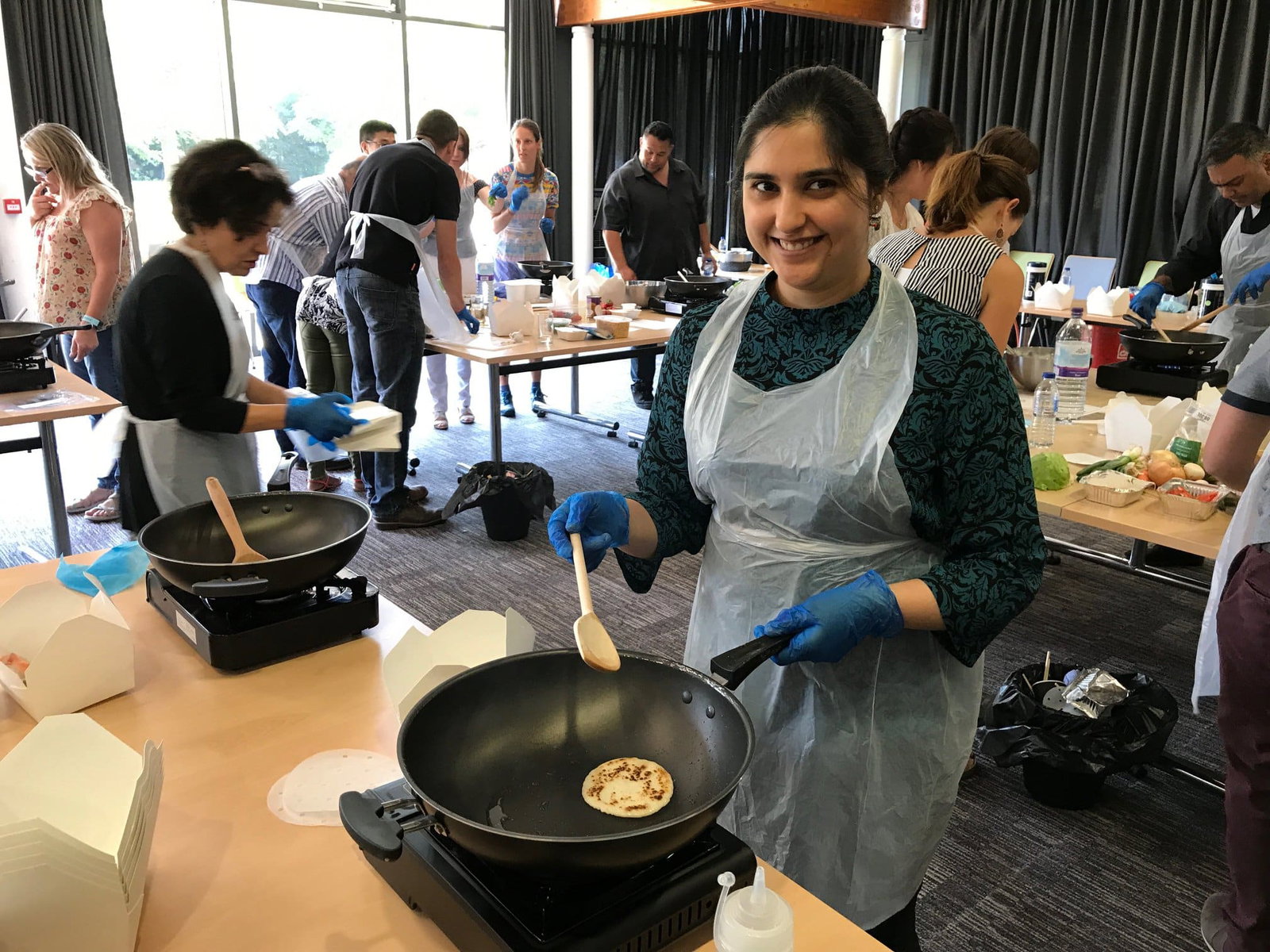
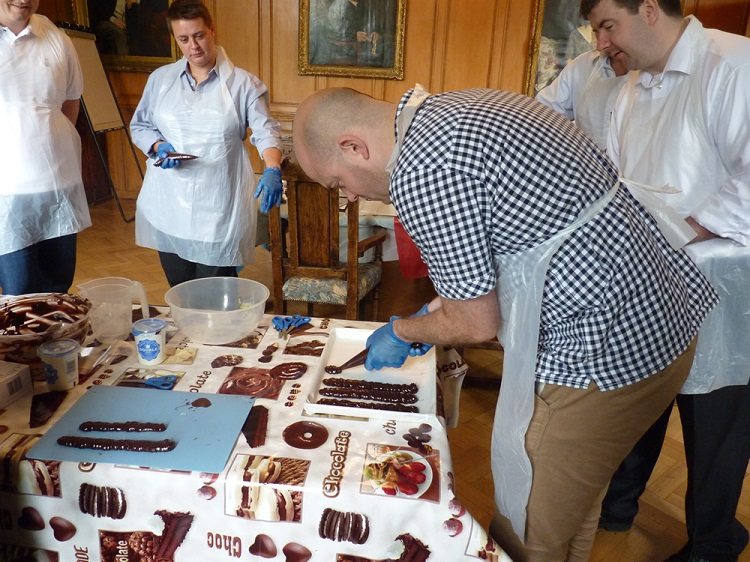
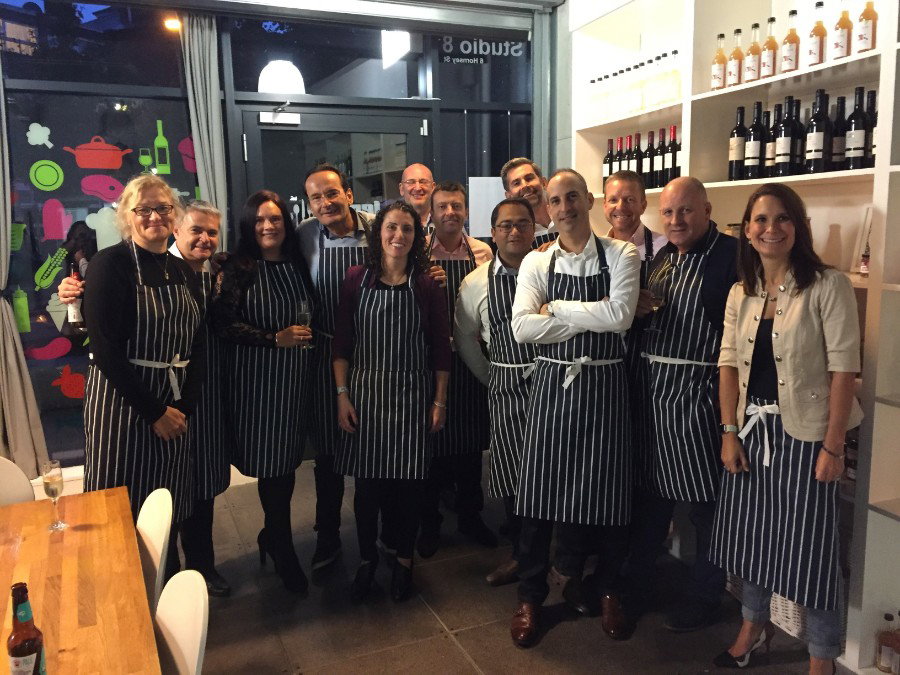
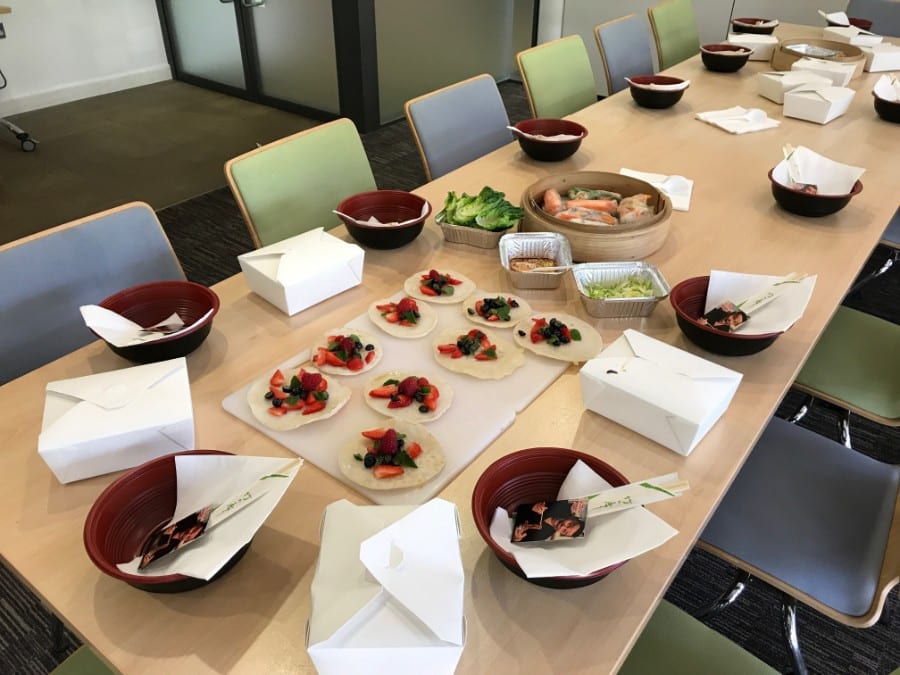
A corporate cooking event is a team activity with real food at the centre of it. Your team does not sit and watch a demonstration from a safe distance. They get stuck into planning, preparing, cooking and presenting. It is hands-on, sociable and very good at revealing who reads instructions, who improvises, and who quietly saves the sauce at the last moment.
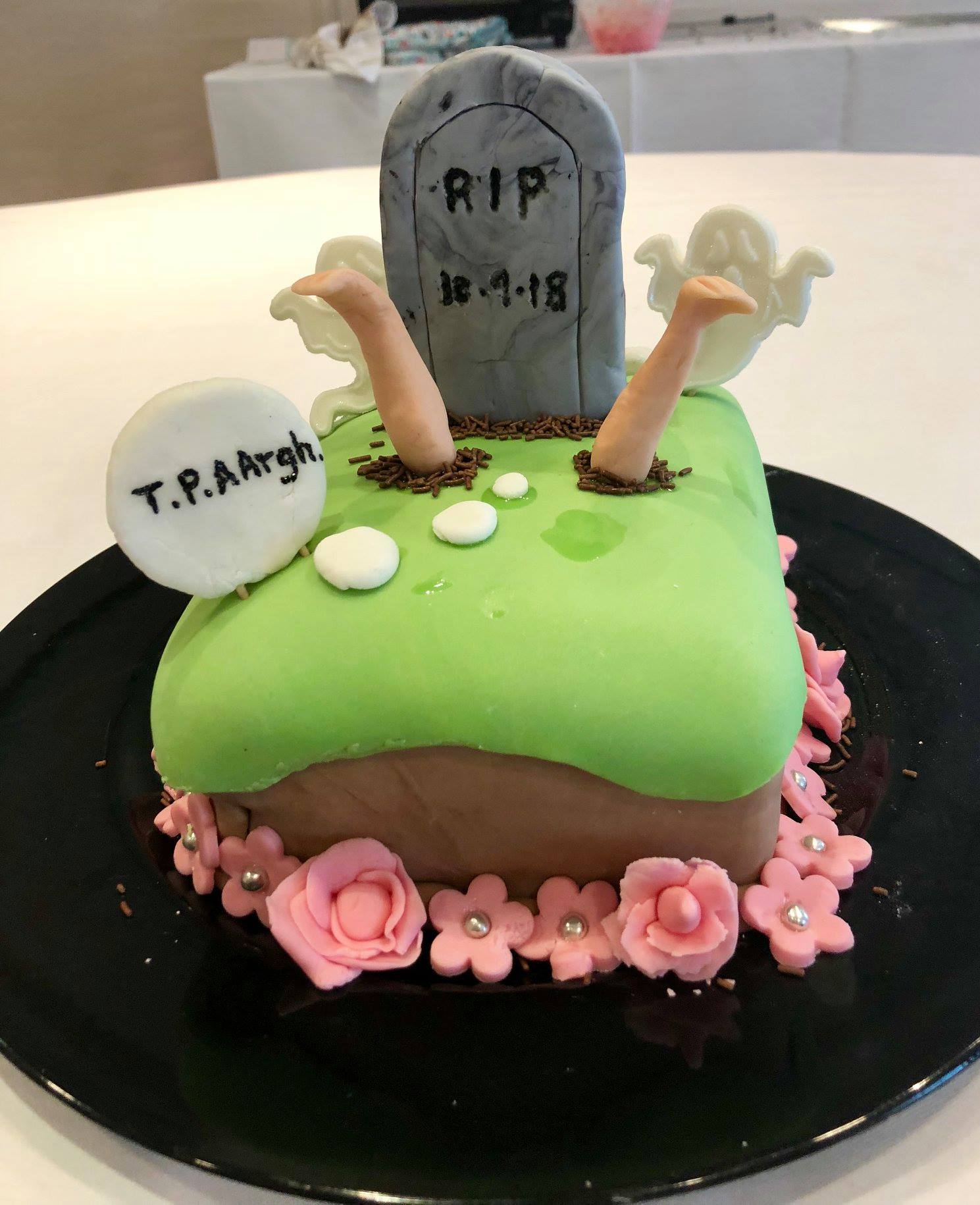
The format can lean towards a Master Chef style challenge, where teams work under light pressure to create dishes that will be judged, compared and discussed. It can also take the shape of a dining event, with groups thinking about the full experience around the table. That might mean menu choices, presentation, hosting and the shared business of getting food ready at the same time. The pleasure is in the making, not just the eating.
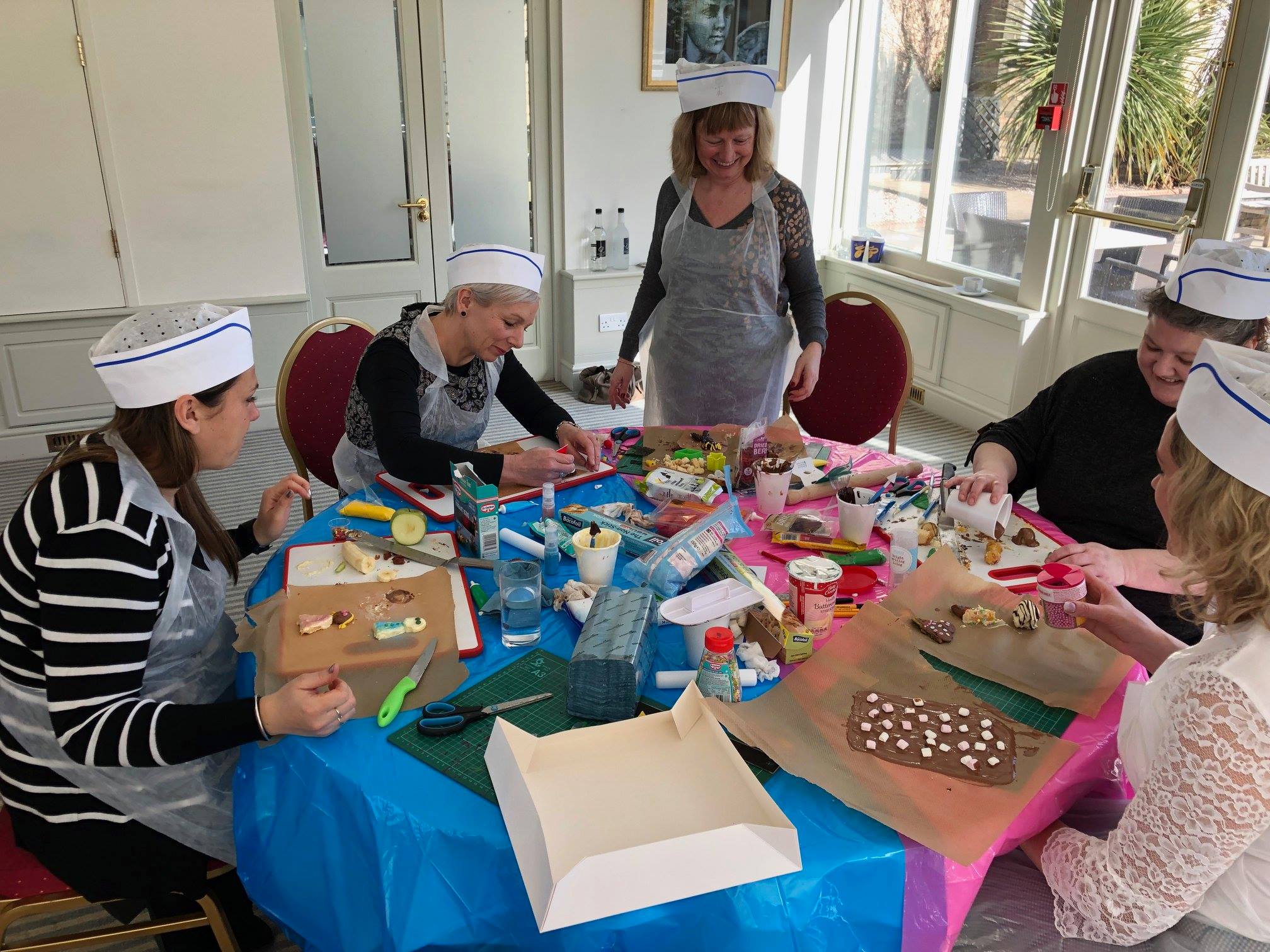
The session usually begins with a clear briefing, so everyone knows the task and what they are aiming for. Teams gather around their stations, divide up the jobs and start making decisions. Some people head straight for the pans. Others measure, prep, plate, taste or keep an eye on the clock. There is no need for everyone to be a confident cook, because a good kitchen team needs more than one type of person.
That is what makes cooking work so well for corporate groups. The loud ones have room to rally the team, but they cannot do everything themselves. The quieter ones often become the most useful people in the room, spotting details, keeping the bench tidy or noticing that something needs another minute. The competitive types get their scoreboard moment. The sceptics usually come round once there is something bubbling, browning or looking better than expected.
It fits a wide range of company moments. Use it as team building when people need to work together without another slide deck. Use it for a charity fundraiser when you want participation rather than passive attendance. Use it as an evening party when food should be part of the entertainment, not just something that appears at the end. It gives people an easy reason to talk, laugh and compare notes without forcing the conversation.
The best part is how quickly the room changes. At the start, people may hover and wait to be told what to do. Then the tasks start to move. Someone is asking for a spoon, someone else is guarding the timing, and a third person is insisting the plate needs one more neat thing on the side. It is busy, but in a useful way. People can see the result of their choices right in front of them.
We look after the shape and running of the activity, so the event has structure rather than turning into a free-for-all with aprons. The team is briefed, guided and kept moving through the session. If you already have a style in mind, such as a competitive cook-off or a dining challenge, we can build around that. If you are still weighing up the best fit, we will help you choose a format that suits the people in the room and the tone of the day.
Your team comes away with more than full plates. They have made something together, solved small problems under time pressure, and seen colleagues in a different light. There is a natural finish too, because food gives the activity its own payoff. Dishes are served, compared, admired, defended and, ideally, eaten. No one needs a grand speech to understand what worked. It is there on the plate.