To improve company culture, start with the daily experience of work: how people are managed, heard, recognised, supported and brought together. Perks can help, but culture improves when employees see consistent behaviour from leaders and managers.
For UK HR teams and team leaders, that means combining clear people practices with moments that build trust in person. Well-planned team building activities, away days and corporate events can support culture, but they work best when they are tied to a clear purpose rather than treated as a quick morale boost.
What company culture means at work
Company culture is the set of habits, expectations and decisions people experience at work. It shows up in small details: whether managers keep one-to-ones, whether people feel safe raising problems, whether success is recognised fairly and whether hybrid employees feel as included as office-based colleagues.
Culture is not the wording on a values page. If a business says it values collaboration but rewards only individual output, employees will notice the gap. If a company says wellbeing matters but workloads stay unrealistic, the stated culture will lose credibility.
A useful way to approach culture is to ask one practical question: what would an employee see, hear and experience if this value were true? That turns culture from an abstract topic into observable behaviour.
12 practical ideas to improve company culture
The strongest culture plans are specific enough for managers to act on and simple enough for employees to understand. These 12 ideas give HR teams and leaders a practical starting point.
- Define the culture you want in plain language. Replace vague values with clear behaviours. For example, “we communicate openly” might mean leaders explain the reason behind major decisions, managers share priorities weekly and employees can challenge work plans without being labelled negative.
- Ask employees what is helping and what is getting in the way. Use short pulse surveys, listening groups and exit interview themes. Keep the questions practical: what slows work down, where do teams feel unsupported and what would make collaboration easier?
- Close the feedback loop. Employees do not need every suggestion accepted, but they do need to know what happened next. Share what you heard, what will change, what cannot change now and why. This builds trust in the process.
- Train managers to run better conversations. Line managers carry much of the culture day to day. Give them support with one-to-ones, workload conversations, feedback, conflict handling and inclusive meeting habits. Do not assume technical specialists automatically know how to manage people well.
- Make recognition timely and specific. Recognition works better when it names the behaviour, not just the result. Thank people for helping a colleague, improving a process, sharing knowledge or handling a difficult client conversation well.
- Review workload and stress points. A culture plan will struggle if people are consistently overloaded. Look at deadlines, meeting volume, approval chains and recurring bottlenecks. Where possible, fix the work design rather than asking employees to cope better with poor systems.
- Use flexibility fairly. Flexible working can include part-time hours, staggered shifts, compressed hours, job shares, remote work and hybrid work. Set clear principles so employees understand how requests are considered. If you need current official guidance, GOV.UK publishes information on flexible working reform and employer responsibilities.
- Build inclusion into everyday routines. Check who speaks in meetings, who gets stretch opportunities, whose social needs are assumed and whether events work for people with caring responsibilities, disabilities, neurodivergence or different faith and cultural commitments.
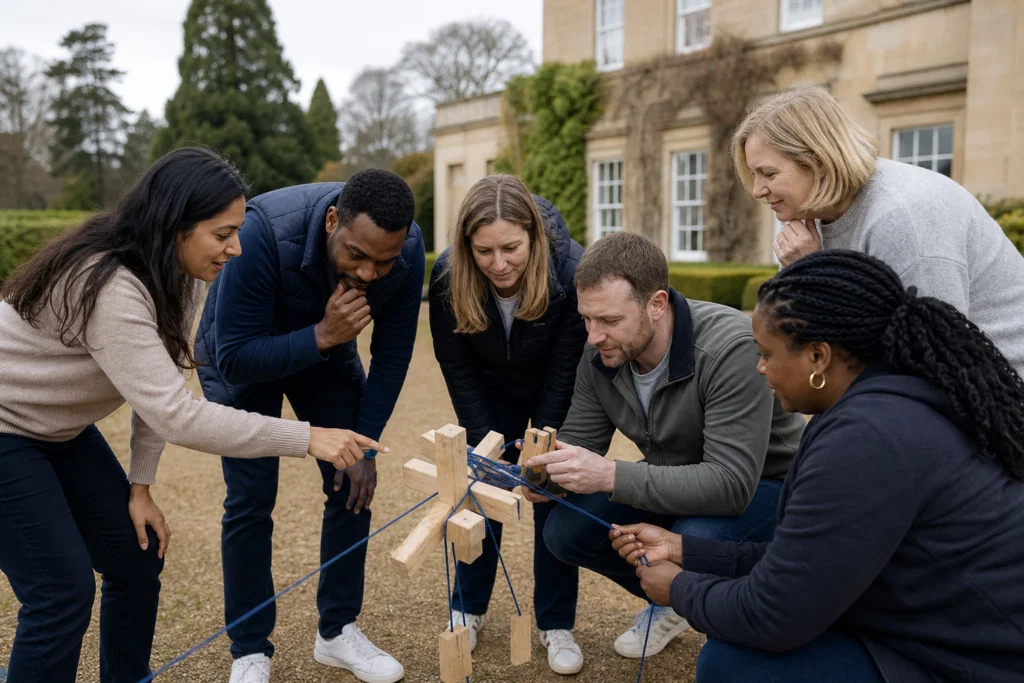
- Create shared moments outside routine work. Away days, team building activities and corporate events give colleagues time to work together without the usual pressure of email and deadlines. Choose activities that suit the group size, accessibility needs and personality mix.
- Connect team events to a business purpose. A summer party, conference energiser or charity challenge can all support culture, but only if the reason is clear. Decide whether the aim is integration after change, cross-team connection, leadership development, celebration or simply giving people a proper break together.
- Make benefits and wellbeing support easy to understand. Employees should know what support exists and how to use it. If benefits are scattered across different documents, bring them together, explain who they help and review whether they still match employee needs.
- Measure what changes over time. Track a small set of indicators such as engagement survey themes, retention, absence trends, participation in events, manager one-to-one completion and qualitative feedback. Culture work needs evidence, not guesswork.
Need ideas that suit your team size?
After you have chosen the culture issues to address, the next step is picking activities that suit your people, venue and available time.
How team events can support culture
Team events do not fix cultural problems on their own. They can, however, create the conditions for better working relationships when they are designed with care. A good event gives people a reason to speak to colleagues they do not normally work with, practise collaboration and share an experience that is not controlled by job title.
The best format depends on the culture goal. If teams are newly merged, a structured away day with mixed groups can help people understand one another’s working styles. If employees are tired after a busy period, a relaxed corporate fun day may be more appropriate than an intense competitive challenge. If managers want people to practise problem solving, an activity with time for reflection will be more useful than entertainment alone.
NewWave Events designs team building activities and corporate events for UK businesses, so the planning starts with the audience, the venue, the timing and the reason for bringing people together. If you are comparing formats, a corporate away day can be a strong option when you need a focused reset away from normal workplace routines.
The manager habits that shape culture every week
Employees often experience company culture through their direct manager. Senior leaders can set the tone, but managers turn that tone into daily practice: how work is allocated, how mistakes are handled, how flexible requests are discussed and how fairly people are developed.
HR teams can help by giving managers a simple rhythm rather than another long document. Useful habits include regular one-to-ones, clear priorities, early workload checks, fair meeting facilitation and follow-up after difficult conversations. Managers also need permission to raise problems early. If they fear being judged for flagging team pressure, stress points stay hidden until absence, conflict or resignation forces the issue.
Culture improves faster when managers are not left to interpret values alone. Give them examples, training and space to compare what is working across teams.
Give managers an event they can build on
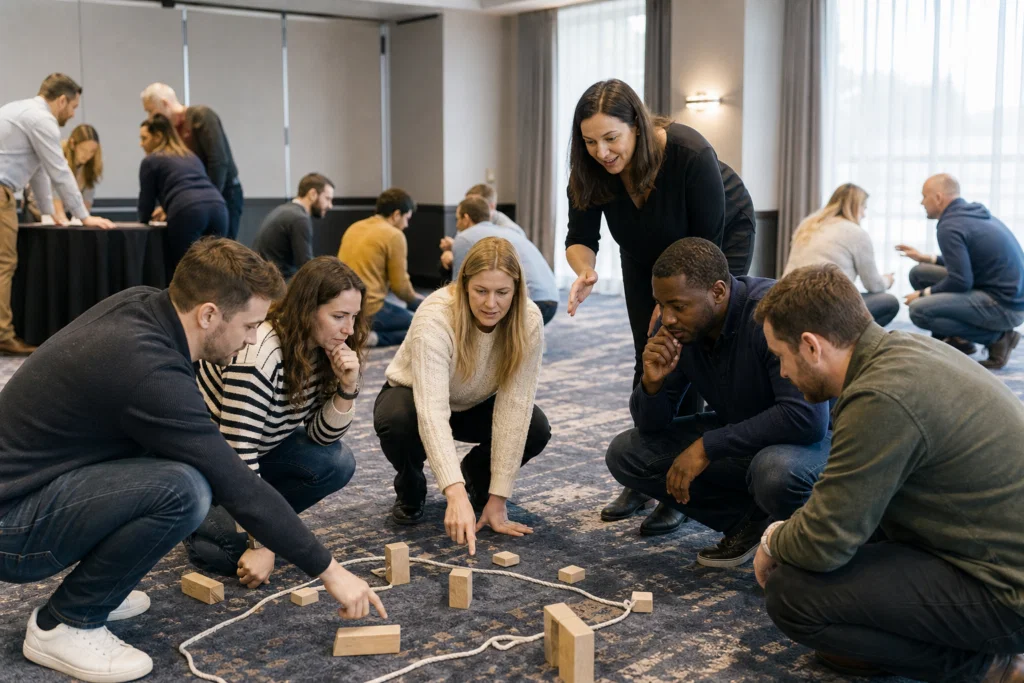
A well-planned team day gives managers shared language and examples they can refer back to in one-to-ones, project reviews and team meetings.
How to measure culture without making it bureaucratic
Culture measurement should help leaders make better decisions. It should not become a reporting exercise that employees never hear about again.
Choose a small set of measures and review them consistently. Quantitative data might include absence, turnover, internal moves, survey scores and event attendance. Qualitative data matters too: comments from listening sessions, themes from one-to-ones, feedback after team events and patterns in exit interviews can explain what the numbers cannot.
When you run a team event, measure more than attendance. Ask whether people met colleagues they do not normally work with, whether the format felt inclusive and what would make future events more useful. This is especially important for large groups, hybrid teams and companies with employees spread across different UK sites.
Turning culture ideas into a workable plan
A culture plan does not need to be complicated. Pick a small number of priorities, name the owner for each one and decide what will change in the next quarter. If everything is urgent, employees will see a list of promises rather than a plan.
Start where the evidence is strongest. If employees say communication is the problem, fix leadership updates and manager briefings before adding more social events. If teams feel disconnected, plan shared experiences that bring the right people together and give managers the follow-up tools to continue the work.
For event-led culture work, practical planning matters. Venue choice, accessibility, travel time, activity intensity, food, timings and group mix all affect whether people feel included. NewWave Events can help shape an event around the culture outcome you want, whether that is better cross-team connection, a stronger away day or a company celebration with purpose.
A simple culture improvement process
Use this five-part process when you want to move from good intentions to visible change.
Listen
Gather honest feedback from employees, managers and recent leavers. Look for repeated patterns rather than isolated comments.
Prioritise
Choose the culture issues that most affect work, trust and retention. Keep the list short enough to act on.
Design
Turn priorities into practical changes, including manager habits, communication routines, wellbeing support and team events.
Deliver
Make owners, dates and responsibilities clear. If an away day or event is part of the plan, link every activity to the outcome.
Review
Check what changed, what employees noticed and what needs adjusting. Share the results so people see the loop has closed.
Plan a culture-building event with NewWave Events
If you want to improve company culture through a team building day, away day or corporate event, NewWave Events can help you choose a format that fits your people and your goals. Tell us what you want the event to achieve and we’ll shape the activity, structure and delivery around it.