


Crime Scene Investigation (CSI) is a team activity built around a murder case that needs solving. Your group steps into the role of investigators and works through the evidence as the story unfolds. The set-up gives people enough theatre to feel the stakes, without asking anyone to perform or be put on the spot. It is about looking closely, asking better questions and making sense of the details in front of you.
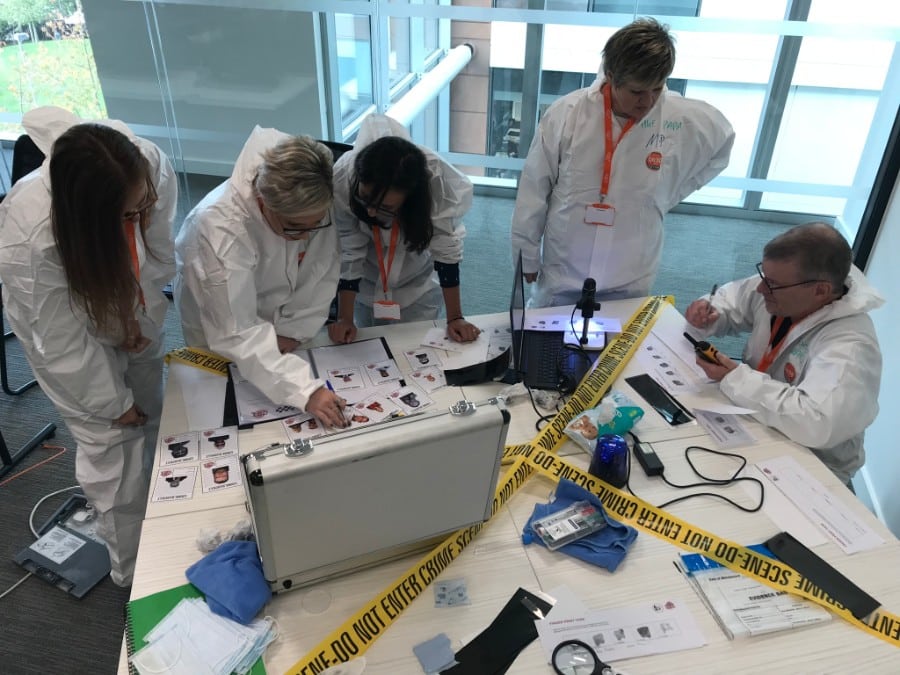
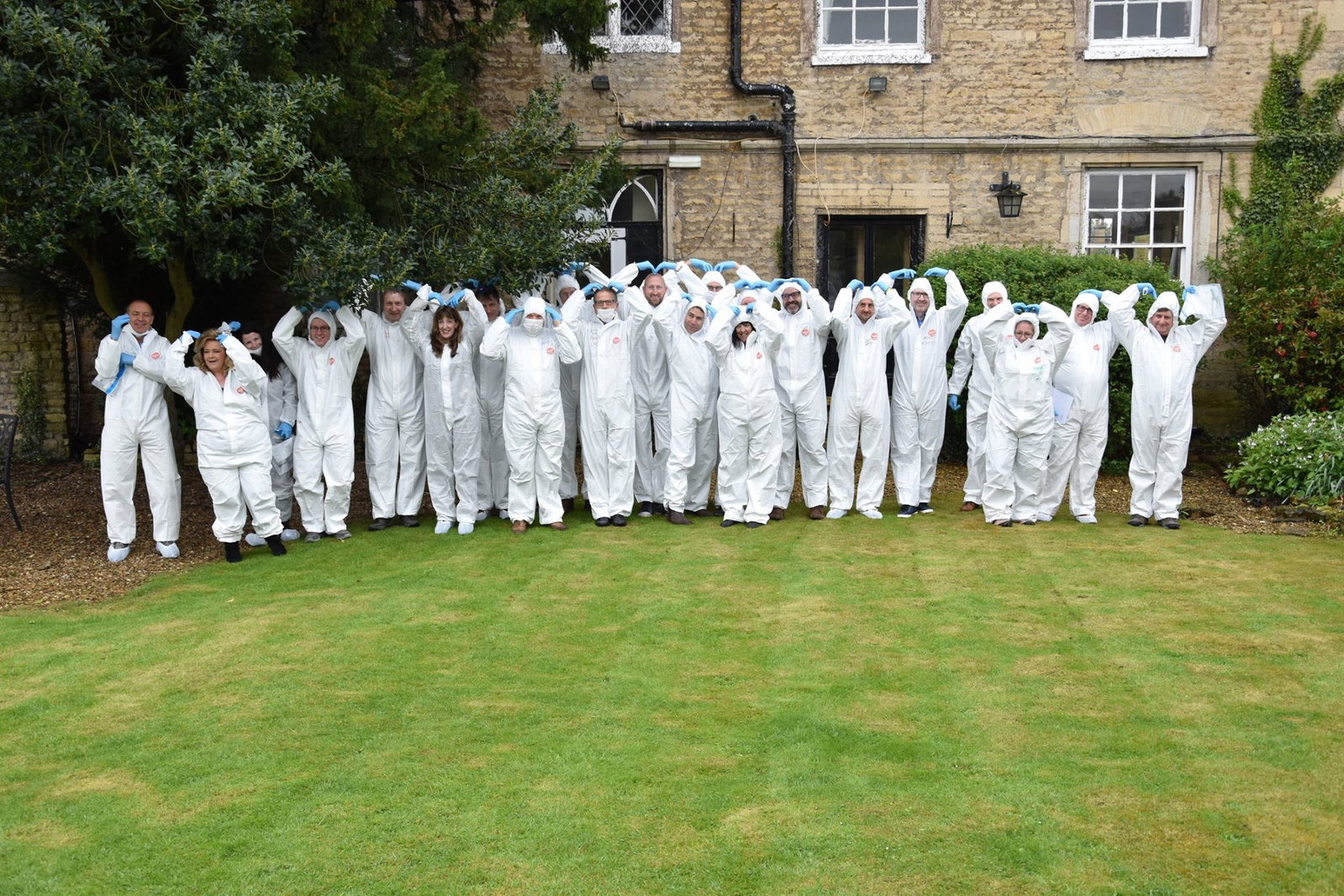
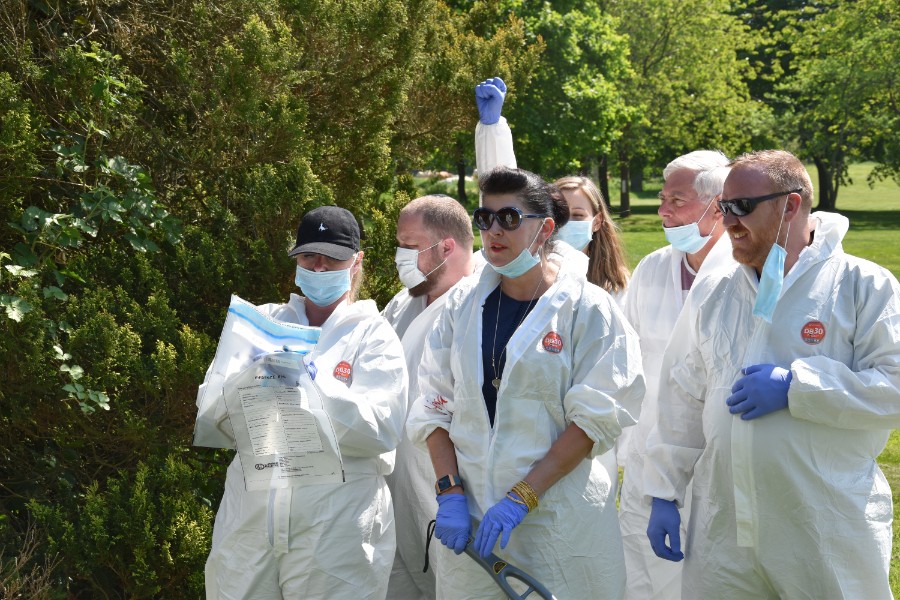
The session begins with the scene itself. Your team gathers around the evidence, takes in what is visible and starts deciding what to inspect first. Safety uniform helps set the tone and gets everyone into the mindset of the investigation. From there, the case opens up. People compare notes, test ideas and begin to separate useful clues from red herrings.
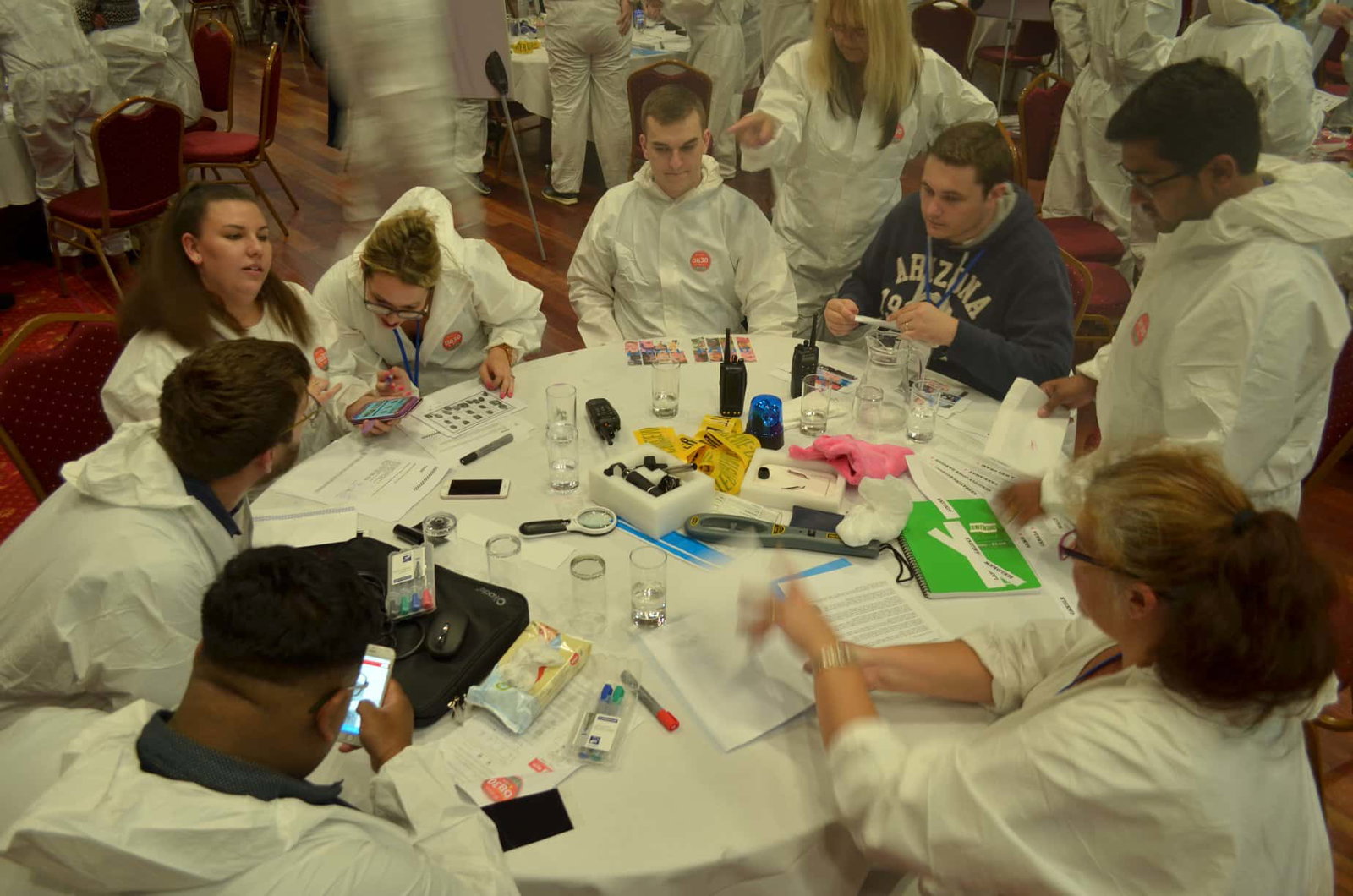
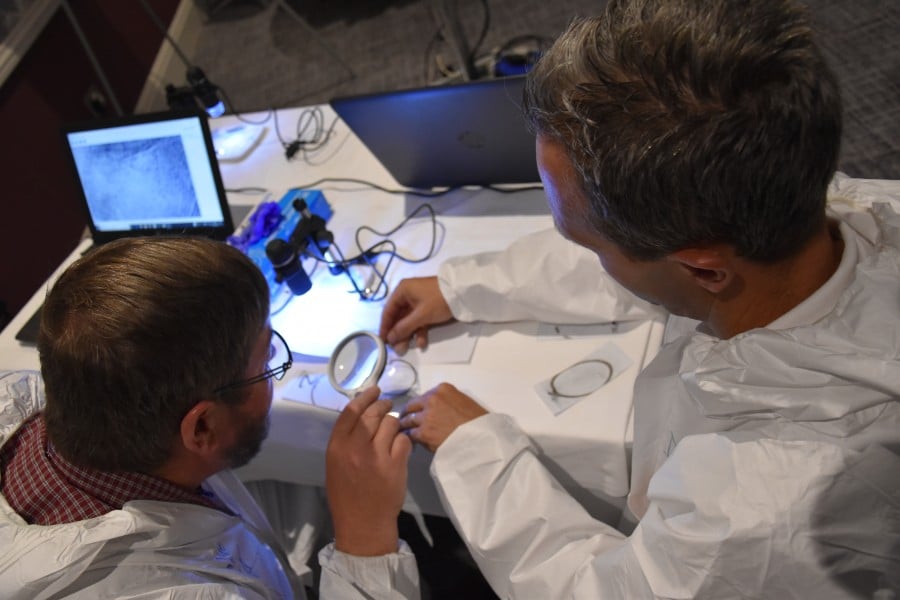
Fingerprint analysis gives the activity a hands-on centre. It is simple to understand, satisfying to do and good at pulling different people into the same conversation. Someone notices a mark. Someone else spots a mismatch. A third person remembers where that detail connects to the wider case. Bit by bit, the team builds a picture they can argue for.
The best part is the way the room changes. At first, people may stand back and take it in. Then the evidence starts doing its job. The competitive ones want to be first to call the culprit. The quieter ones often spot the thing everyone else rushed past. The sceptics usually get caught out by their own curiosity, which is always pleasing to watch.
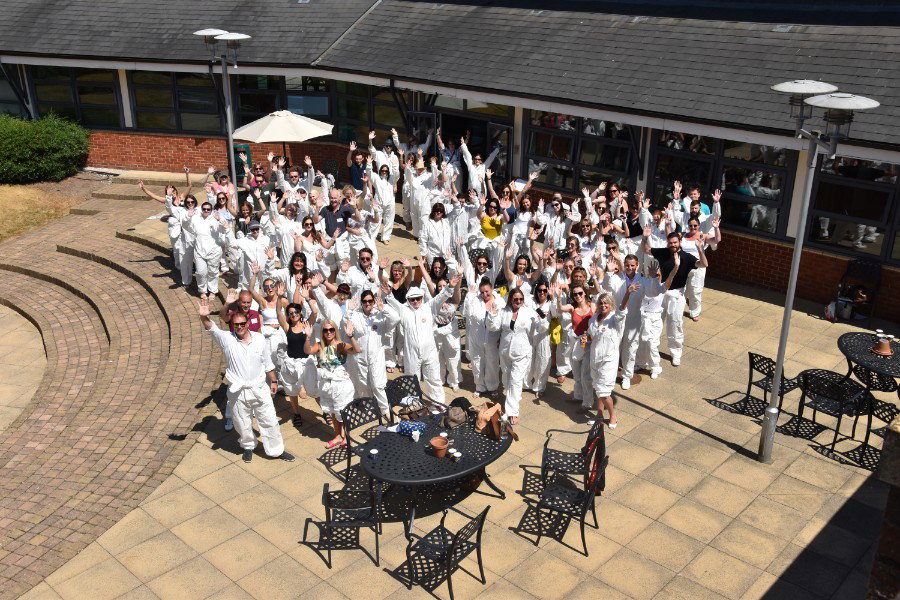
This event suits teams that like a puzzle with a bit of theatre around it. It is a strong fit for corporate team building when you want communication without flip charts, collaboration without forced bonding and problem solving that feels like play. It also works neatly for charity fundraisers and evening parties, where guests need a shared activity that gets them talking quickly.
The activity has a clear arc, which helps everyone stay involved. First, the case is introduced and the scene is assessed. Then the team works through the evidence, including the fingerprint element, and starts forming theories. Finally, they bring their thinking together and make the call. Who did it, and why does the evidence point that way? That last debate is often where the real teamwork shows.
You do not need anyone in your group to have crime knowledge, forensic experience or a love of detective dramas. The activity is designed to be picked up in the room. People can contribute by observing, discussing, organising information or making the final argument. No one has to be the loudest voice to be useful. Good teams win by listening as much as talking.
We bring the activity, set up the investigation and run it on the day. Your team turns up, pulls on the safety uniform and gets stuck into the case. We guide the flow, keep the evidence moving and make sure the room stays focused without draining the mystery out of it. You get the buzz of a murder investigation, minus the paperwork and awkward police interviews.