A good company sports day sticks in people’s memory long after the quarterly numbers get forgotten. The trick is picking activities that actually work for your group, not just the ones that look good on a poster. Below are ten of the most insanely fun company sports day activities we run and book for UK teams, along with the honest planning detail you need if you’re organising this yourself.
1. Olympic sports day
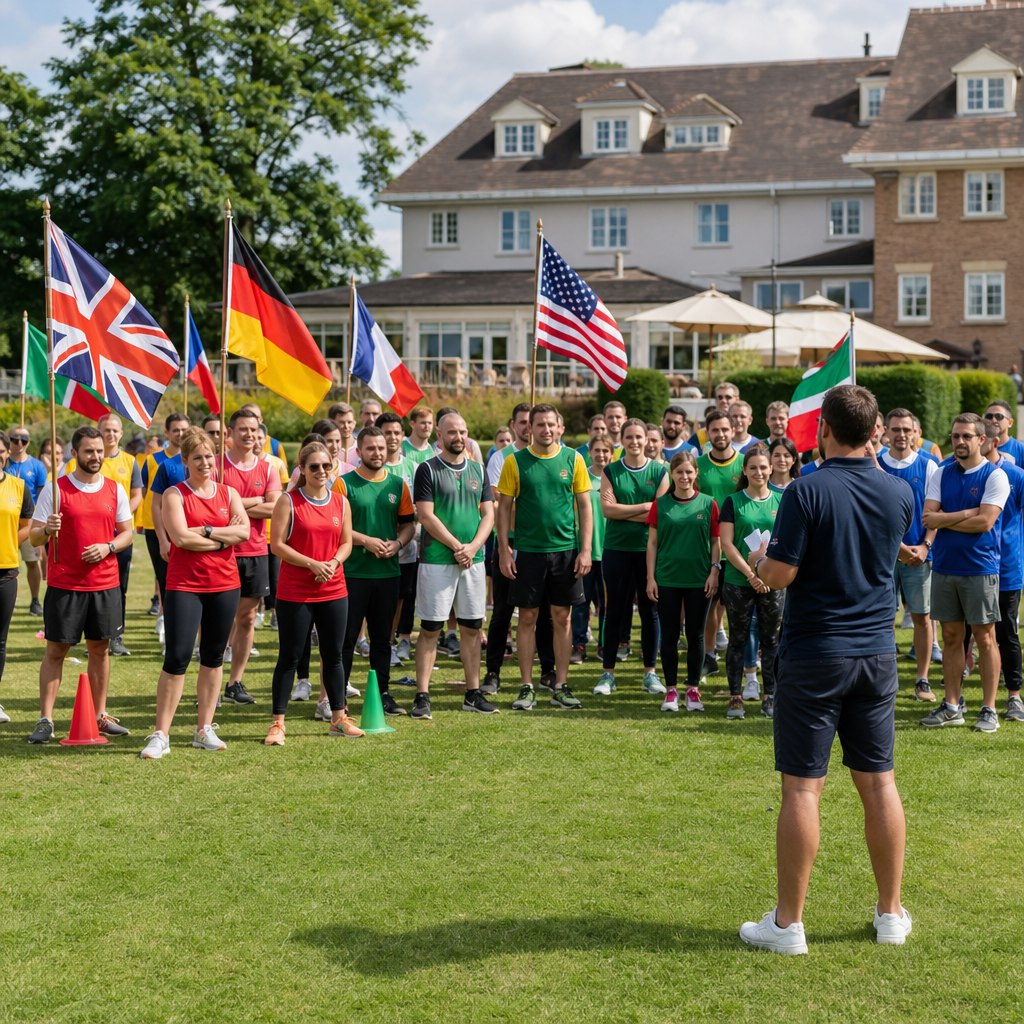
This is the classic for a reason. Teams get split into countries or colours and compete across a rotation of track and field style events, from javelin-style throwing games to relay sprints. It works for almost any group size because you can run several stations at once and rotate teams through them.
If you’re planning this yourself, the main job is logistics. You need enough space for at least four or five activity zones, a referee or host at each one who actually knows the rules, and a scoring system that’s simple enough to update on the fly. Weather is the other headache, because most of it needs to move indoors if it rains, so have a wet-weather version of every station ready before the day.
2. It’s a Knockout
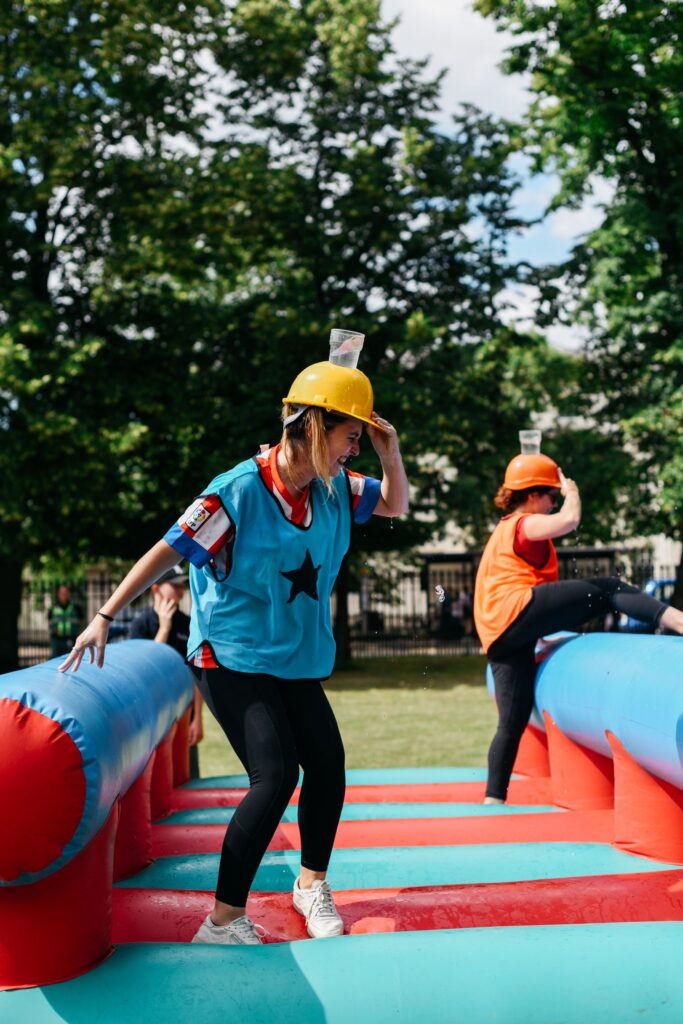
Big inflatable obstacles, silly costumes and games that reward enthusiasm over athleticism. This one levels the playing field because balance and nerve matter more than fitness, so your least sporty colleague can genuinely win a round. It’s loud, it’s messy, and it photographs brilliantly.
The catch is that the inflatables and equipment are specialist kit. You’re looking at hiring a supplier who can deliver, rig and safety-check large inflatable structures, plus provide trained staff to run each round. That’s a different job from booking a bouncy castle for a school fete, so factor in lead time and insurance checks if you’re sourcing it direct.
3. The Crystal Team Challenge
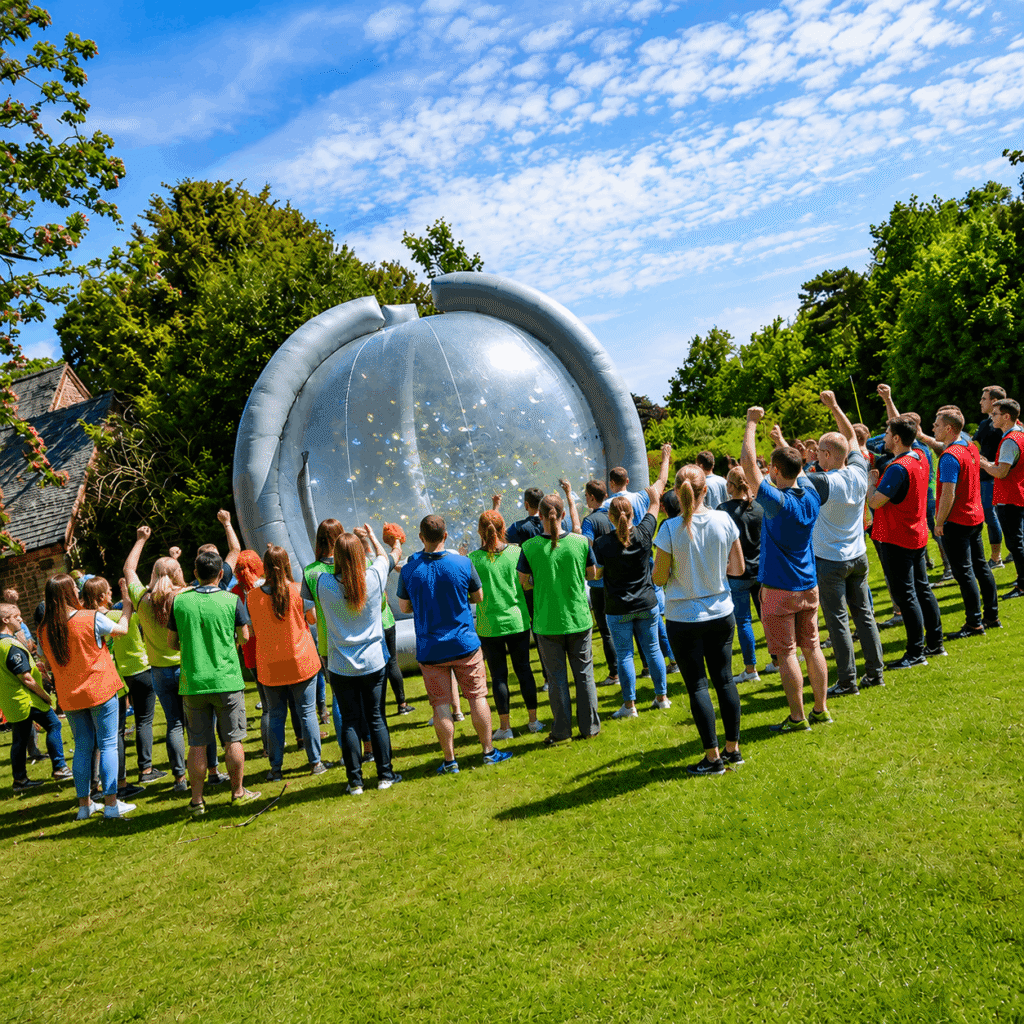
Based on the TV format everyone remembers, this mixes physical, mental, skill and mystery challenges across themed zones. Teams collect crystals for time in a final dome round, which gives the day a genuine climax rather than just a scoreboard. It suits mixed-ability groups because the mental and skill rounds balance out the physical ones.
Running this properly needs themed sets, props for each zone, and hosts who can keep four or more games moving at once without the day dragging. That’s a lot to coordinate on top of your actual job, so it’s one of the formats where most organisers end up bringing in a specialist rather than building it from scratch.
4. Soap box derby
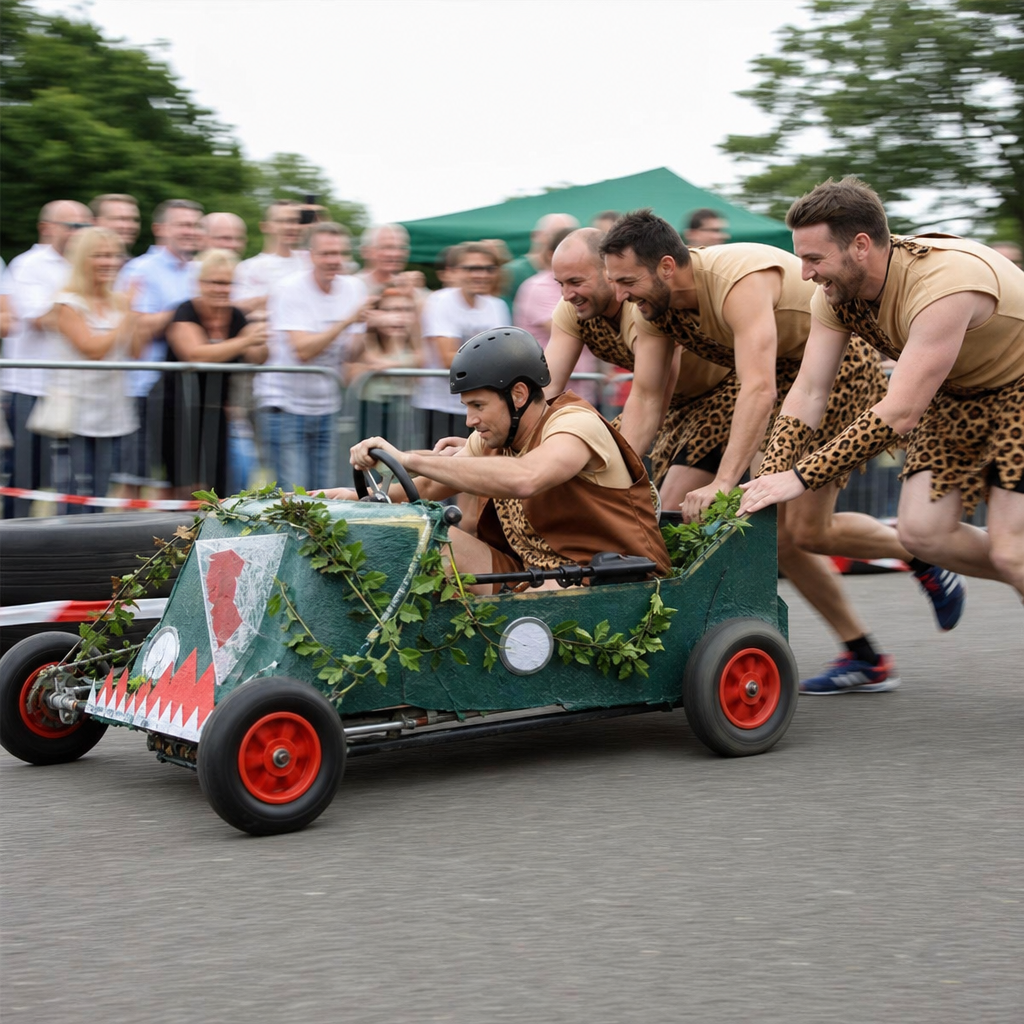
Teams design, build and race their own soap box carts, usually with a design-and-build phase in the morning and races in the afternoon. It’s genuinely good for teamwork because the build stage forces people to plan, argue about design and problem-solve together before a single race happens.
You’ll need a slope or a flat course with a push-start, decent safety kit including helmets, and enough raw materials per team to actually build something that rolls. Timing matters too, because a rushed build phase leads to carts that fall apart on the first run, which deflates the whole afternoon.
5. World Cup fever
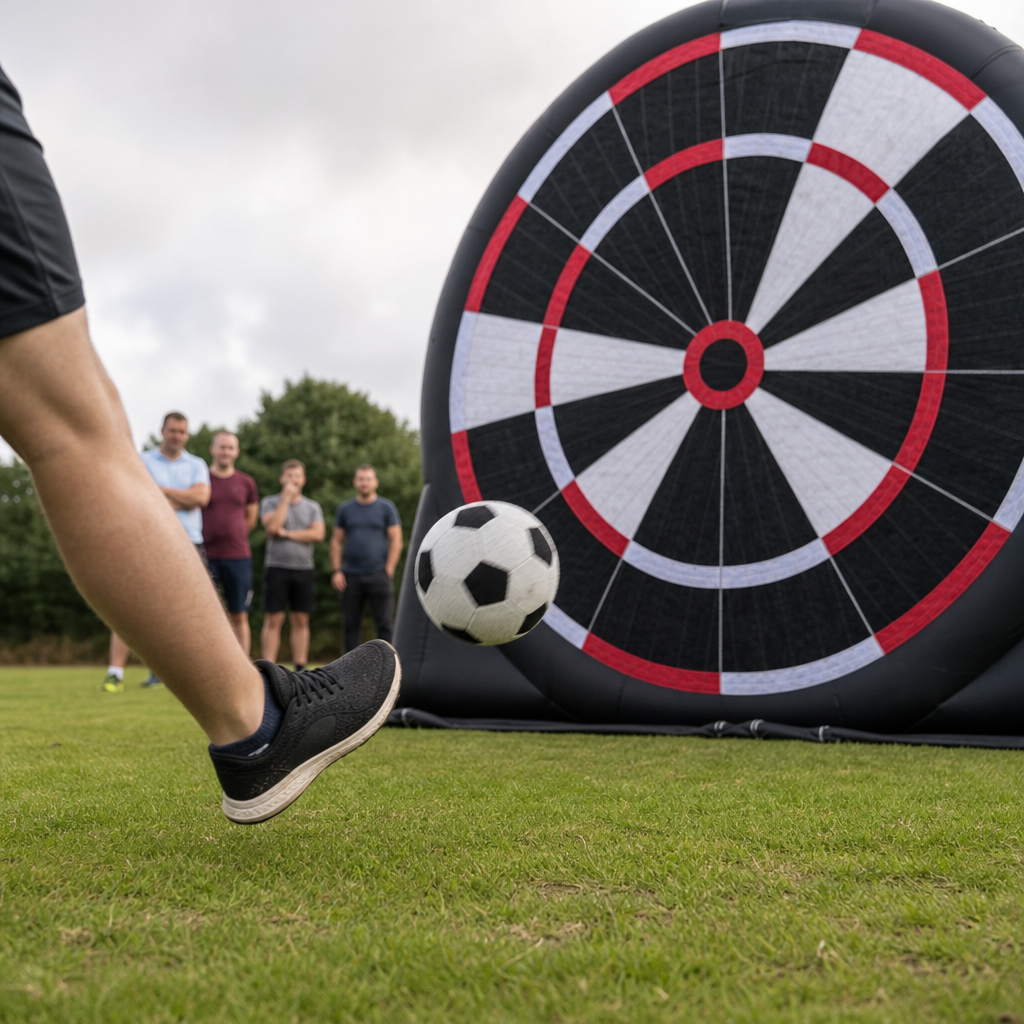
A football-themed round robin with a proper tournament structure, national team shirts and a trophy at the end. It works particularly well if your office already has a football culture, because the banter writes itself. Keep the pitches small-sided so nobody’s standing around for twenty minutes waiting for a turn.

6. School sports day
Egg and spoon, sack races, three-legged race, the wheelbarrow race. Every classic you remember from age nine, run properly for adults with a bit more competitive edge. This one needs almost no explaining to anyone, which makes it a safe pick for a mixed group that includes people who don’t do sport at all.
It’s also one of the cheapest to source yourself because the props are simple: sacks, eggs, spoons, bunting. The main planning job is sequencing the races so nobody’s queuing for ages, and having a host with a whistle and a clear voice to keep things moving.
7. Quintessentially English
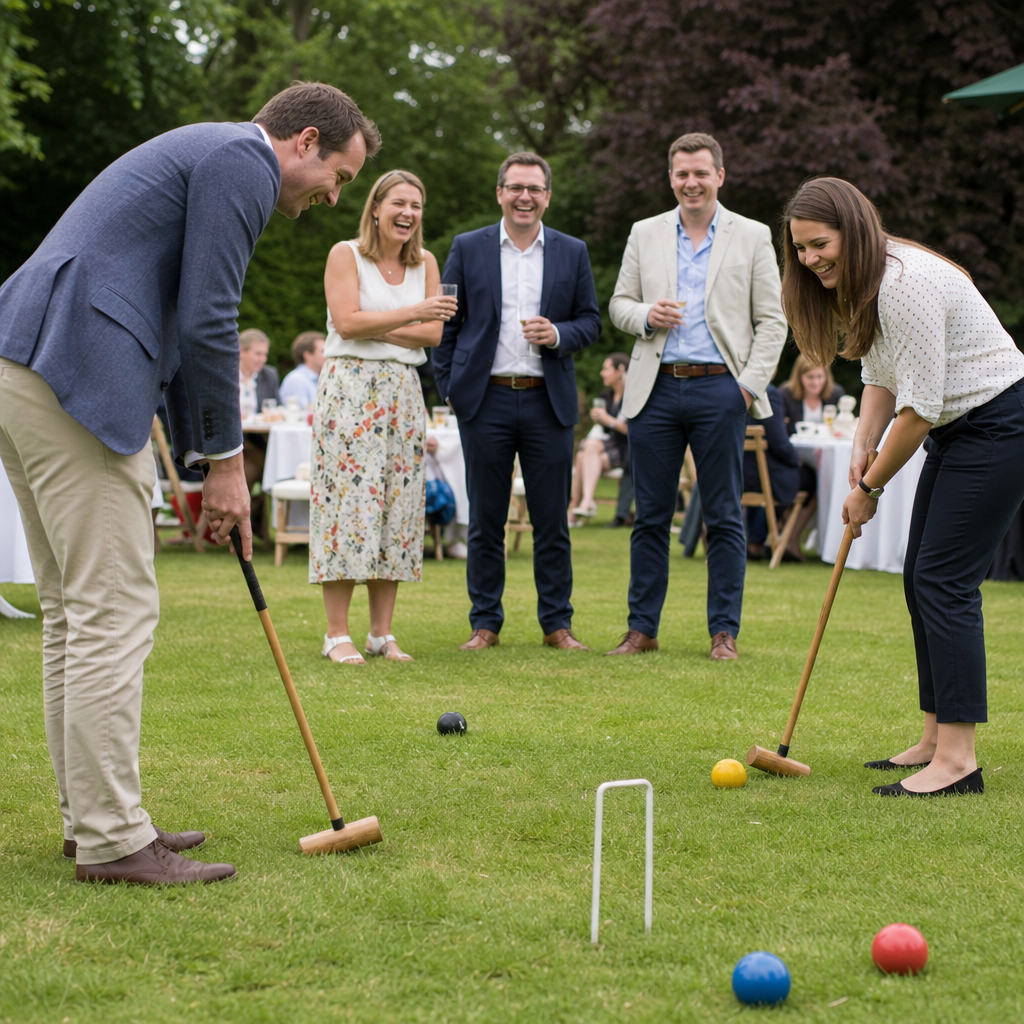
Welly wanging, tug of war, croquet, rounders and the odd game of skittles, all with a bit of Pimm’s-on-the-lawn energy. It’s a gentler pace than most of this list, which makes it a good fit for a summer fun day where you want people mingling as much as competing.
8. Archery and duck herding
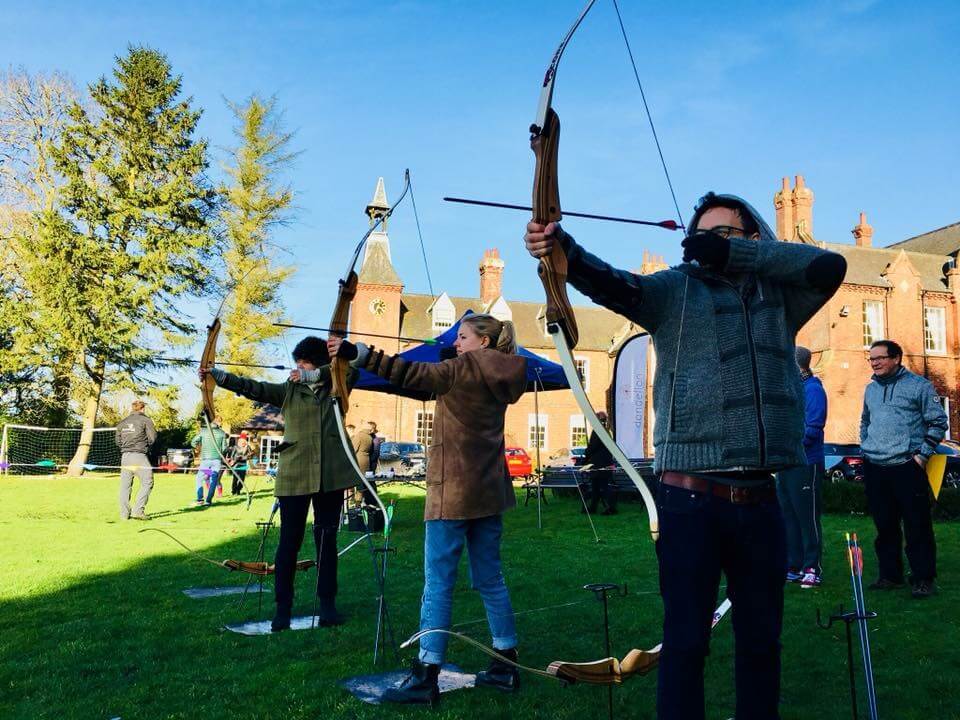
An odd pairing on paper, and that’s exactly why it works. Archery gives people a genuine skill to focus on, while duck herding (rounding up giant inflatable ducks with a sheepdog-style team strategy) is pure chaos and laughter. Together they balance concentration with silliness.
Archery needs qualified instructors and proper safety zoning, no exceptions, so this isn’t one to improvise with borrowed equipment. Duck herding is lower risk but still needs a briefed host, because without one it’s just people running around a field confused.
9. Putt for a purpose
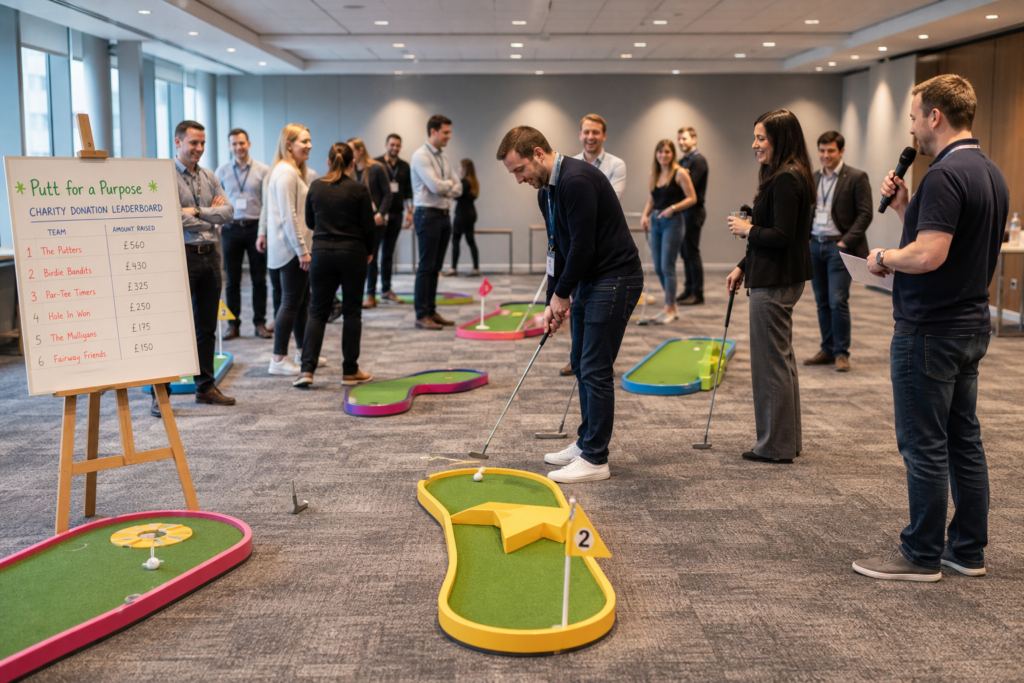
A crazy golf challenge with a charity twist, where team scores translate into a donation or teams build parts of the course themselves before playing it. It’s a good fit if you want the fun day to tie back to a cause your company supports, without turning the whole event into a fundraiser.

10. Gladiator
Duelling, wall climbs, the travelator-style running games, all inspired by the TV show. It’s the most physically demanding option on this list, so it suits teams that already have a competitive, active streak. Padded equipment keeps it safe, but check with your group first, because it won’t suit everyone and that’s worth being upfront about.
Planning a company sports day yourself
If you’re running this in-house, start with the venue. You need a space big enough for the number of activities you want to run side by side, decent parking or transport links, and a wet-weather backup because UK weather doesn’t care about your booking confirmation. Playing fields, country estates and school grounds hired out of term time all work.
- Confirm the venue, toilets, parking and a wet-weather indoor space
- Book equipment and any specialist suppliers with enough lead time, some inflatables and archery kit get booked up months ahead
- Arrange qualified instructors for anything with real risk, like archery or climbing walls
- Plan a running order and scoring system that a non-expert host can manage on the day
- Sort food, water and shade, especially for an all-day outdoor event
- Have a backup plan for injuries, allergies and anyone who can’t take part physically
On paper that looks manageable. In practice it means chasing five or six different suppliers, checking their insurance, confirming delivery times and still running the actual day yourself while everyone else is having fun. That’s the bit that catches most organisers out, because the admin doesn’t stop when the whistle blows.
This is where NewWave takes the load off. Venue finding is free through us, and because we’ve got long-standing relationships with venues across the UK, we can often get better rates and dates than you’d land booking direct. We manage the venue, the equipment and the entertainment end to end, so you turn up on the day rather than running it.
Choosing between formats
Match the activity to your group, not the other way round. A team with a wide range of fitness levels and ages does better with School Sports Day, Quintessentially English or The Crystal Team Challenge, because none of those depend on being fit. A younger, competitive team will get more out of Gladiator or World Cup Fever.
Group size matters too. It’s a Knockout and Olympic Sports Day both scale well for large numbers because you can run multiple stations at once. Soap Box Derby and Archery and Duck Herding work better for smaller or mid-sized teams where you’ve got time for everyone to have a proper go.
What company sports days actually cost
Costs vary a huge amount depending on group size, venue, activities and how many staff and instructors are needed to run the day safely. As a very rough industry guide, expect anything from a modest per-head cost for a simple in-house event to a lot more for a full multi-activity day at a country venue with specialist equipment and staff.
Because so much depends on your specifics, the honest answer is to get a bespoke quote rather than rely on a generic number. Get in touch and we’ll put together a proper quote based on your group size, location and the activities that fit.
Making the day run smoothly
Whatever activities you choose, a few things separate a sports day that people talk about in a good way from one that just gets through. Mix teams up rather than sticking to existing departments, because that’s often the real point of the day. Keep queues short by running several activities in parallel rather than one after another.
- Mix teams across departments and seniority, not just friendship groups
- Build in a proper break with food and shade, not just water on the go
- Have a host who can keep energy up between activities
- Photograph the day so people can relive it afterwards
- Announce results and a small prize at the end, it gives the day a proper finish
None of that happens by accident. Someone has to be watching the clock, moving people between stations and keeping the whole thing on schedule, which is hard to do properly if you’re also meant to be taking part. That’s exactly why we run the day for you: our team hosts every activity, keeps the schedule tight, and lets you and your colleagues actually enjoy the sports day instead of managing it.
If any of the ten formats above sound right for your team, we can talk you through what fits your group size, venue and budget.
Frequently asked questions
A company sports day is a planned day of team-based physical and mental challenges for staff, usually held outdoors at a venue with space for multiple activities. It’s typically used as an annual fun day, a summer event, or part of a wider staff engagement plan. Activities range from classic athletics to themed formats like Gladiator or Crystal Team Challenge.
Most run for a full day, typically from mid-morning to late afternoon, which gives enough time for a rotation of activities plus a proper lunch break. A half-day version works if you’re combining it with other business activity or have a smaller group. Build in more time than you think you need, because changeovers between activities always take longer than planned.
Formats like Olympic Sports Day and It’s a Knockout scale well for large groups because you can run several stations at once. Smaller formats like Soap Box Derby or Archery and Duck Herding work best with groups where everyone gets proper time on each activity. Tell your venue or provider your numbers early, because it affects how many stations and staff you’ll need.
No. Most of the activities on this list are designed around fun and teamwork rather than fitness, and formats like School Sports Day or Quintessentially English suit every comfort level. It’s worth choosing activities that let less physical colleagues contribute in other ways, like strategy or building tasks.
A good venue or provider will have an indoor backup for most activities, or a rescheduled plan for outdoor-only events like Soap Box Derby. Always check what the wet-weather contingency actually is before you book, rather than assuming it exists. If you’re planning it yourself, book an indoor space as a fallback from the start.
Costs depend heavily on group size, venue, number of activities and staffing needs, so there’s no single fixed figure. As a rough guide, a simple in-house event costs far less than a full multi-activity day with specialist equipment and instructors at a country venue. Get in touch with our team for a bespoke quote based on your exact requirements.
Popular dates and venues get booked up months ahead, particularly for summer weekends, so aim to start planning at least three months out. Specialist equipment like archery kit or large inflatables often needs even more lead time. Booking early also gives you more choice on venue and date.
It’s a Knockout is built around large inflatable obstacles and physical games where balance and nerve matter more than skill. The Crystal Team Challenge mixes physical, mental and skill-based rounds across themed zones with a final dome round to determine the winner. Both work well for mixed-ability teams, but Crystal Team Challenge gives quieter or less physical colleagues more ways to contribute.
Yes, formats like Putt for a Purpose build a charity element directly into the scoring, so team performance translates into a donation. You can also add a charity twist to almost any format, such as donating entry fees or linking prizes to a cause. It’s a good way to tie the day to something your company already supports.
Water, shade and a proper food break are the basics, especially for an outdoor event running most of the day. Sun cream and a first aid presence matter too if you’re outdoors in summer. If activities are physical, remind staff in advance to wear suitable clothing and footwear.
Yes, as long as it’s run by qualified instructors with proper safety briefings and zoning, which any reputable provider will have as standard. No experience is needed, and instructors adjust the session for complete beginners. It’s worth checking a provider’s safety credentials before booking rather than assuming they’re covered.
Ququintessentially English and Putt for a Purpose are both good options since they involve lower-impact games like croquet and crazy golf. The Crystal Team Challenge also works well because several rounds are mental or skill-based rather than physical. Always check activity details with your provider so you can adapt or swap anything that won’t suit specific team members.
Mixing across departments and seniority levels usually works better than letting existing friendship groups stick together, since that’s often the actual point of the day. Random draws, coloured wristbands or a simple team generator all do the job. Try to balance physical ability across teams as well, so no single team is stacked.
Some formats adapt well indoors, particularly quiz-based or skill rounds within Crystal Team Challenge or a scaled-down Olympic Sports Day. Fully outdoor formats like Soap Box Derby or Archery and Duck Herding need genuine outdoor space and don’t translate indoors. If space is limited, ask your provider which activities they can adapt before ruling a format out.
For anything involving real equipment or risk, such as archery, climbing walls or inflatable obstacles, you need qualified instructors rather than in-house volunteers. Simpler activities like School Sports Day races can be run by a confident colleague with a whistle and a clear voice. Booking a specialist provider means all of this is handled for you, including trained staff for every station.
Late spring through early autumn gives you the best chance of good weather for outdoor formats, with June to September being the most popular window in the UK. Booking outside peak summer weekends can also make venues easier to secure and sometimes cheaper. Whatever time of year, always have an indoor backup ready regardless of the forecast.