




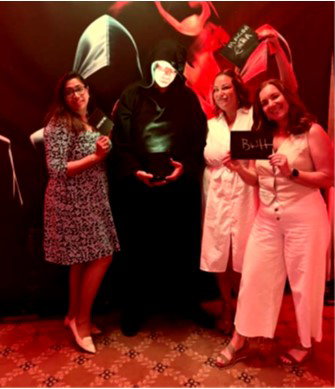


Faithless is a group challenge with one awkward little problem at its heart. Your team needs to work together, but not everyone can be trusted. Across the session, players take on puzzles, creative tasks and games that need clear thinking and quick discussion. Hidden traitors are working against the group, quietly nudging decisions, wasting time or sending people down the wrong path. The fun sits in that gap between teamwork and suspicion.
The session begins with everyone brought into the story and the rules. The group is given its first tasks, and the room starts to find its rhythm. Some people dive straight into the puzzles. Others watch the conversations, looking for overacting, hesitation or a teammate who suddenly has a very strange opinion about what to do next. Before long, the game becomes less about one clever answer and more about how the group reads each other.
The tasks are deliberately varied, so the same person is not always in front. There are puzzles for the methodical ones, games for the quick responders and creative challenges for people who think better with a pen in their hand. That mix matters. A team that only shouts the loudest answer will miss things. A team that listens, tests ideas and notices the mood in the room usually does better. Until, of course, a traitor gently tips the whole thing sideways.
The hidden role element gives Faithless its bite. A traitor does not need to make a grand speech or stage a dramatic betrayal. Sometimes all it takes is a confident wrong answer, a badly timed distraction or a small push towards the least useful plan. The rest of the team has to decide what is bad luck, what is poor logic and what is deliberate sabotage. That makes every task feel active, even for people who are not usually first to speak.
It is a strong fit for corporate team building because it gets people communicating without making it feel like a workshop. Colleagues have to explain their thinking, challenge each other and change tack when the evidence does not add up. It also works well for charity fundraisers and evening parties, where you want a room that warms up quickly and gives people plenty to talk about afterwards. The tone is playful rather than ruthless. Accusations fly, but nobody needs to be an actor or a master strategist to enjoy it.
The sceptics tend to come round once the first suspicion lands. There is something very satisfying about watching a calm finance manager turn detective, or seeing the office extrovert suddenly accused for being too helpful. Quiet players are not pushed to perform, but they are very much in the game. They can observe, compare stories and bring the killer detail at the right moment. Competitive players get the chase they want, without the whole event becoming a shouting match.
NewWave brings the activity, the materials and the event team to run it on the day. We brief the room, keep the pace moving, explain each stage and make sure the traitors know how to cause trouble without breaking the game. Your team does not need to prepare, rehearse or arrive with any special knowledge. They just turn up ready to take part, trust the wrong person at least once and then swear they knew it all along.
Faithless works because it gives people a shared problem and then makes that problem wonderfully unreliable. The tasks create structure, the traitors create doubt and the group creates the comedy. It is hands on, social and easy to follow, with enough twists to keep the room leaning in. By the end, your team has solved things, made terrible accusations, spotted a few tells and found out who can keep a straight face under pressure.